
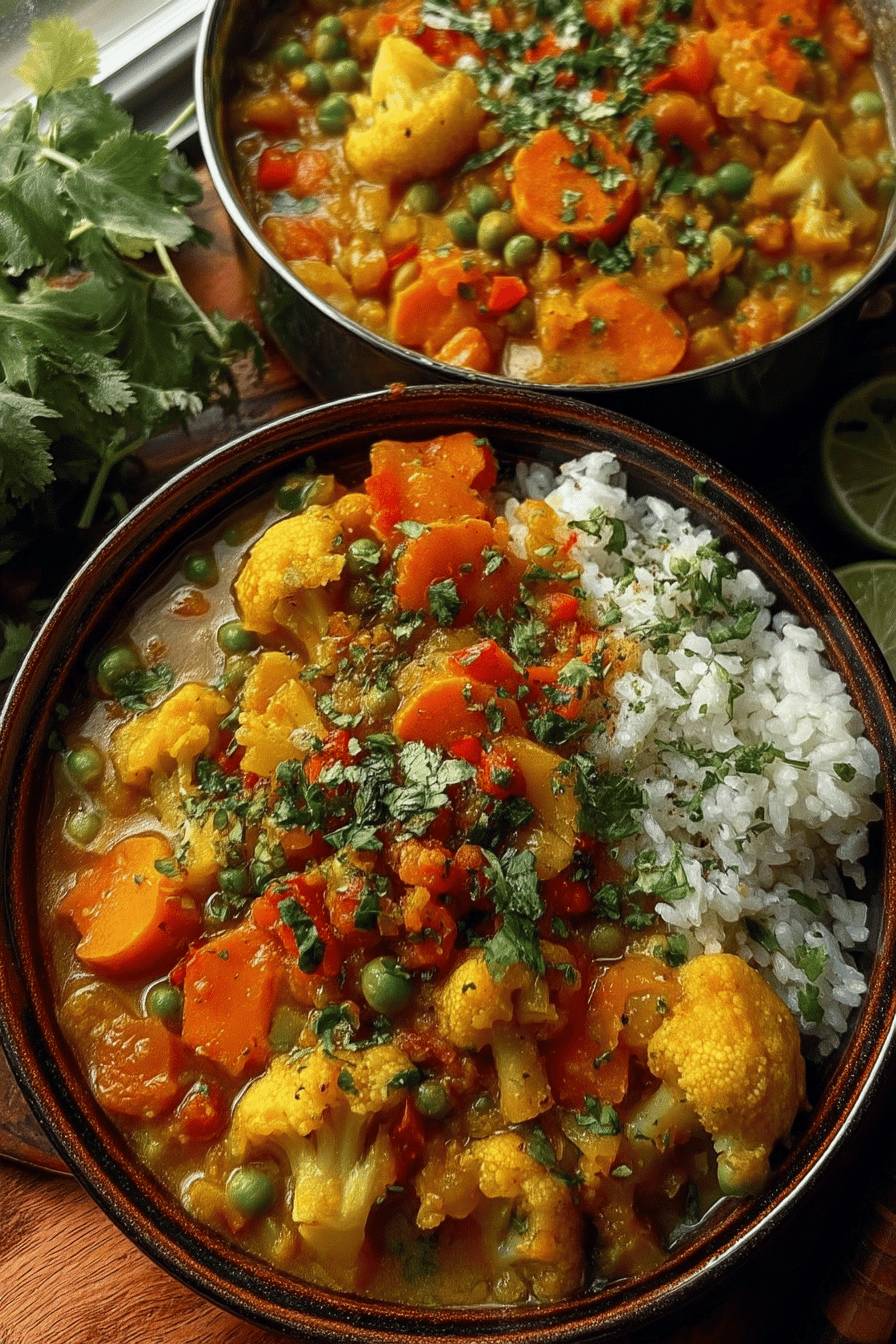
Why You’ll Love This Vegetable Korma Recipe
This vegetable korma recipe is a cozy, flavorful dish that’s perfect for weeknight dinners, blending fresh veggies with a creamy sauce that’s both satisfying and simple. It’s a go-to for anyone wanting a taste of Indian-style cooking without the fuss, using everyday ingredients to create something truly comforting. Let me break down the top reasons this recipe stands out for home cooks like you.
- Ease of preparation: This vegetable korma recipe comes together quickly, with just 20 minutes of prep and about 20 minutes of cooking time, making it ideal for busy evenings. You’ll appreciate the straightforward steps, like boiling veggies and blending a simple puree, which keep things hands-on but not overwhelming. It’s a breeze for beginners, turning basic ingredients into a full meal in under 40 minutes total.
- Health benefits: Packed with nutritious elements, this vegetable korma recipe features veggies like carrots, potatoes, and cauliflower, offering vitamins A and C, fiber, and protein in each serving. At around 291 calories per portion, it’s a great way to boost wellness with its mix of antioxidants and minerals, such as potassium and iron, while keeping the meal light and balanced. Plus, the cashews and spices add healthy fats and anti-inflammatory perks without overloading on calories.
- Versatility: Adapt this vegetable korma recipe to fit various dietary needs, from vegan swaps to gluten-free options, so it’s suitable for families with different preferences. You can tweak the veggies or spices based on what’s in your fridge, making it a flexible choice for meal planning or adjusting for allergies. It’s perfect for diet-conscious folks, with easy changes like using plant-based milk for a lighter version.
- Distinctive flavor: What makes this vegetable korma recipe special is its rich, creamy sauce with warm spices like garam masala and turmeric, balanced by a subtle sweetness from brown sugar. The blend of tomato puree, cashews, and optional jalapeno creates a unique depth that’s mildly spiced yet full of aroma, setting it apart from everyday stir-fries. You’ll love how it delivers that comforting, exotic taste in a way that’s customizable and always hits the spot.
In short, this vegetable korma recipe is a fun, adaptable staple that brings bold flavors to your table with minimal effort.
Essential Ingredients for Vegetable Korma Recipe
Gathering the right ingredients is key to making a delicious vegetable korma, and this list covers everything you need based on the recipe details. I’ve organized it into clear categories with exact measurements and quick explanations to help you understand each one’s role. This ensures your vegetable korma recipe turns out creamy and flavorful every time.
Main Ingredients
- 4 medium carrots, peeled and sliced into 1/2-inch thick pieces – These add crunch and beta-carotene for a nutritious boost in your vegetable korma.
- 3 medium gold potatoes, peeled and chopped into 1 1/2-inch chunks – Provide heartiness and absorb the creamy sauce, making the dish filling and satisfying.
- 4 cups cauliflower florets – Offer a mild flavor and extra vitamins, like C, to enhance the overall health profile of the vegetable korma recipe.
- 1 cup chopped green beans – Bring texture and fiber, helping to balance the meal with fresh, green goodness.
- 1 cup frozen peas (or 3/4 cup green peas, fresh or frozen, as an option) – Add sweetness and protein, rounding out the veggie mix for a complete vegetable korma.
- 14 ounces canned diced tomatoes – Form the base of the puree, providing acidity and moisture for a rich, tangy sauce.
- 1 yellow onion, peeled and quartered – Build flavor and depth in the puree, creating that essential savory foundation.
- 2 inches fresh ginger, roughly chopped – Infuse warmth and anti-inflammatory benefits, enhancing the spice profile naturally.
- 6 cloves garlic, peeled – Add aromatic notes and immune-supporting properties to the blend.
- 2 tablespoons vegetable oil – Used for sautéing, it helps release flavors from the spices without adding much heaviness.
- 3/4 cup raw cashews (or 12 cashew nuts, or 12 soaked almonds as substitutes) – Create creaminess and healthy fats, making the sauce silky and nutty.
- 13.5 ounces full-fat coconut milk (about 1 cup, or combined with 1/2 cup canned unsweetened full-fat coconut milk and 3/4 cup plain yogurt for added creaminess) – Deliver the signature rich texture, with options for extra smoothness depending on your preference.
- 1 jalapeno pepper, stemmed and seeded (optional, for extra heat) – Provides a kick if desired, allowing you to adjust the spiciness in your vegetable korma recipe.
- 2 teaspoons garam masala – Adds authentic Indian spice warmth, tying the flavors together beautifully.
- 1 tablespoon curry powder – Brings a blend of spices for that classic korma taste and color.
- 1 teaspoon turmeric – Contributes anti-inflammatory benefits and a golden hue to the dish.
- 1 teaspoon dried coriander – Offers earthy notes that enhance the overall aroma and taste.
- 1 teaspoon ground cinnamon – Adds subtle sweetness and depth to balance the spices.
- 1/2 teaspoon ground cardamom – Infuses a floral hint, elevating the exotic feel of the vegetable korma.
- 1/2 teaspoon cayenne pepper (optional for heat) – Delivers extra spice if you want to amp up the warmth in the recipe.
- 1/2 teaspoon ground black pepper – Seasons the dish and adds a mild zing to complement other flavors.
- 3/4 to 1 teaspoon salt (or 2-3 teaspoons salt to taste) – Balances all the ingredients, making sure the vegetable korma tastes just right.
- 2 tablespoons brown sugar – Introduces a touch of sweetness to offset the spices and veggies.
- 1 3/4 cups water (or enough to cover vegetables during cooking) – Helps achieve the perfect sauce consistency without making it too thick.
- 1 small bay leaf (optional for added depth) – Infuses subtle herbal notes if you’re using whole spices.
- 1/2 teaspoon cumin seeds (optional for added depth) – Provides an earthy base when sautéed with other whole spices.
- 2 green cardamoms (optional for added depth) – Adds a fresh, aromatic layer to the flavor profile.
- 3 cloves (optional for added depth) – Bring warm, pungent notes to enhance the spice mix.
- 1 inch cinnamon piece (optional for added depth) – Contributes a woody sweetness for more complexity.
- 2 tablespoons chopped fresh cilantro leaves (or coriander leaves for garnish) – Tops the dish with a burst of freshness and color.
- 1/4 cup fresh grated coconut (or 1/4 cup coconut milk, or 2 tablespoons poppy seeds) (optional for authentic variation) – Adds extra creaminess and authentic flair if included in a paste.
- 1 tablespoon roasted chana dal (fried gram, optional) – Helps thicken the optional paste for a richer sauce.
- 1 teaspoon fennel seeds (optional) – Offers a slight licorice note in the paste for added depth.
- 6 tablespoons water (for blending into a paste) – Used to create a smooth paste if opting for that variation.
Special Dietary Options
- Vegan: This vegetable korma recipe is already vegan-friendly, but swap yogurt with extra coconut milk or plant-based yogurt; omit garlic and onions if needed for strict diets while keeping the rest plant-based.
- Gluten-free: Naturally gluten-free as listed, just ensure all spices and canned items are certified gluten-free to make it safe for sensitive eaters.
- Low-calorie: Reduce oil to 1 tablespoon and skip brown sugar, or use low-fat coconut milk to lower calories to about 200 a day, while boosting veggies for a lighter vegetable korma option.
This complete list makes your vegetable korma recipe prep straightforward and adaptable.
How to Prepare the Perfect Vegetable Korma Recipe: Step-by-Step Guide
Whipping up this vegetable korma recipe is a fun way to bring Indian flavors to your kitchen, with a creamy sauce and mixed veggies that cook up in no time. This guide covers the full process, including the classic stovetop method and a speedy Instant Pot option, so you can adapt it for your schedule. With about 40 minutes total, it’s perfect for a quick family meal, and I’ll note ways to adjust for dietary needs like vegan swaps along the way.
First Step: Prep your ingredients to get everything ready for a smooth start. Soak 3/4 cup raw cashews in boiling water for about 15 minutes to soften them, while you wash and chop the vegetables: slice 4 medium carrots into 1/2-inch pieces, chop 3 medium gold potatoes into 1 1/2-inch chunks, separate 4 cups cauliflower florets, and cut 1 cup green beans. If you’re making it vegan, use just coconut milk instead of any yogurt. This mise en place takes around 10-15 minutes and sets the stage for a flavorful vegetable korma.
Second Step: Boil the vegetables until tender. In a large pot, add the prepared carrots, potatoes, cauliflower, and green beans, then cover with water. Boil over medium-high heat for about 10 minutes until the potatoes are fork-tender drain and set aside. For a low-calorie variation, steam the veggies instead to cut down on any excess water, keeping the nutritional value high in your vegetable korma recipe.
Third Step: Blend the puree for the sauce base. In a blender, combine 14 ounces canned diced tomatoes, 1 quartered yellow onion, 2 inches chopped fresh ginger, and 6 peeled garlic cloves. If you want some heat, add 1 stemmed and seeded jalapeno pepper. Blend until smooth, which takes 1-2 minutes if using the optional kurma paste for extra creaminess, blend 1/4 cup fresh grated coconut (or substitute), 12 cashew nuts, 1 tablespoon roasted chana dal, 1 teaspoon fennel seeds, and 6 tablespoons water separately. This step is great for adapting flavors, like reducing spices for kids or seniors.
Fourth Step: Sauté and simmer the spices. Heat 2 tablespoons vegetable oil in a large pan over medium heat. If you’re using whole spices for depth, add 1 small bay leaf, 1/2 teaspoon cumin seeds, 2 green cardamoms, 3 cloves, and 1 inch cinnamon piece, sautéing for 30 seconds until aromatic. Pour in the blended puree and stir in the spices: 2 teaspoons garam masala, 1 tablespoon curry powder, 1 teaspoon turmeric, 1 teaspoon dried coriander, 1 teaspoon ground cinnamon, 1/2 teaspoon ground cardamom, 1/2 teaspoon cayenne pepper (if you like it spicy), 1/2 teaspoon ground black pepper, and 3/4 to 1 teaspoon salt. Add 2 tablespoons brown sugar for balance, then simmer for 2-3 minutes. For gluten-free preferences, double-check that your spices are pure, and this keeps the vegetable korma recipe inclusive.
Fifth Step: Combine and cook everything together. Drain the soaked cashews and blend them with 13.5 ounces full-fat coconut milk (or mix with 1/2 cup coconut milk and 3/4 cup plain yogurt for creamier results) until smooth, then add to the pan. Stir in 1 cup frozen peas and let it simmer for 1-2 minutes. Mix in the boiled vegetables, coating them well with the sauce if using the kurma paste, stir it in now for that authentic touch. For vegan adaptations, skip the yogurt and use extra coconut milk. Simmer on low-medium heat for 10 minutes, stirring often, and add 1 3/4 cups water if the mixture gets too thick. This step lets you adjust salt or spices to taste, making it flexible for different family needs.
Sixth Step: Use the Instant Pot for a faster option. If you’re short on time, press sauté on your Instant Pot and heat 2 tablespoons vegetable oil. Add any whole spices and sauté for 30 seconds, then toss in the chopped onion and jalapeno if using, cooking for 3 minutes. Add the ginger-garlic paste from the puree, sauté for 30 seconds, then mix in the tomatoes, salt, diced potatoes, other vegetables, spices, kurma paste if desired, and water. Deglaze the pot, seal the lid, and pressure cook on high for 1 minute. After the beep, wait 1 minute and release pressure manually stir gently, and the vegetable korma will thicken as it sits. This method is ideal for busy parents, cutting active time to about 10 minutes while staying true to the recipe’s essence.
Final Step: Serve with finishing touches. Once simmered, adjust seasonings and garnish with 2 tablespoons chopped fresh cilantro. Serve hot with cooked basmati rice and naan for a complete meal. For a low-calorie twist, pair it with whole grains instead of naan this dish pairs well with simple sides like in our chicken tinola recipe. It makes 8 servings, each around 291 calories, and is best enjoyed fresh for that creamy, comforting feel. To add variety, incorporate extras like tofu for protein, keeping your vegetable korma recipe adaptable and fun.
This guide ensures your vegetable korma turns out perfect, with options for everyone at the table.

Dietary Substitutions to Customize Your Vegetable Korma Recipe
Protein and Main Component Alternatives
Swapping proteins in your vegetable korma recipe can make it even more adaptable, especially if you’re short on certain ingredients. For instance, replace cashews with 12 soaked almonds or sunflower seeds to maintain the creamy texture while accommodating nut allergies. If you want to add more protein, stir in 1 cup of chickpeas or tofu cubes as a substitute for some vegetables, which adds heartiness without changing the core flavors. These changes keep the dish versatile for different needs, like using plant-based options to boost the recipe’s nutritional value.
Vegetable, Sauce, and Seasoning Modifications
Get creative with veggies by swapping in seasonal picks, such as broccoli or zucchini for cauliflower, while keeping the total volume around 4 cups to preserve balance. For the sauce, try unsweetened soy milk instead of coconut milk to lighten it up, or reduce cayenne pepper and jalapeno for a milder version suitable for kids and seniors. Seasonings can be tweaked by adding mustard seeds or fresh herbs based on what’s available, ensuring your vegetable korma recipe stays fresh and tailored to dietary restrictions like low-spice preferences.
Overall, these tweaks help make your vegetable korma a personalized favorite.
Mastering Vegetable Korma Recipe: Advanced Tips and Variations
Taking your vegetable korma recipe to the next level is all about smart tweaks and expert tricks that enhance the dish without much extra work. Whether you’re cooking for a crowd or just experimenting, these ideas will help you nail that creamy, spiced perfection every time. Let’s explore some ways to refine your skills and add fun twists.
Pro Cooking Techniques
Toast and grind whole spices like cumin seeds before adding them to deepen the flavor sauté 1/2 teaspoon cumin seeds in the oil for 30 seconds first. To avoid a watery sauce, cook off excess moisture from the tomato puree by simmering it longer, or strain the tomatoes before blending for better control. These methods ensure your vegetable korma comes out silky and well-balanced, with options for blending sauces thoroughly to prevent separation.
Flavor Variations
Mix in different seasonings, such as ground ginger or mustard seeds, to create new tastes while keeping the base spices intact. For a fresher take, swap some veggies with mushrooms or bell peppers, adjusting quantities to match the original 4 cups for harmony. These changes let you play with the vegetable korma recipe, making it milder or bolder based on your mood.
Presentation Tips
Serve with a sprinkle of fresh cilantro and toasted nuts for visual appeal, turning your vegetable korma into a colorful centerpiece. Plate it over rice with a side of naan for an inviting look, or add edible flowers if you’re feeling fancy to make the meal feel special.
Make-Ahead Options
Prep the veggies and puree ahead, storing them in the fridge for up to 2 days to save time on busy nights. Freeze the whole dish in portions for up to 2 months, thawing overnight before reheating this keeps your vegetable korma fresh and ready for quick meals.
With these tips, your vegetable korma recipe will become a reliable favorite.
How to Store Vegetable Korma Recipe: Best Practices
Proper storage keeps your vegetable korma recipe tasting fresh, so let’s cover the basics to maintain that creamy texture and flavor. Whether you’re saving leftovers or meal prepping, these methods help extend the dish’s life without losing quality.
- Refrigeration: Store cooled vegetable korma in an airtight container in the fridge for up to 4-5 days, which keeps it ready for quick lunches and helps lock in nutrients.
- Freezing: Freeze in freezer-safe portions for up to 2 months; thaw overnight in the fridge to preserve the sauce’s creaminess for later meals.
- Reheating: Warm on the stovetop over low heat with a splash of water, stirring for even heating, or use the microwave in short bursts to keep flavors intact and ensure safety.
- Meal Prep Considerations: Divide into single servings for easy grab-and-go, labeling with dates to track freshness and make your vegetable korma a handy weekly option.
These practices keep your vegetable korma recipe versatile and delicious.
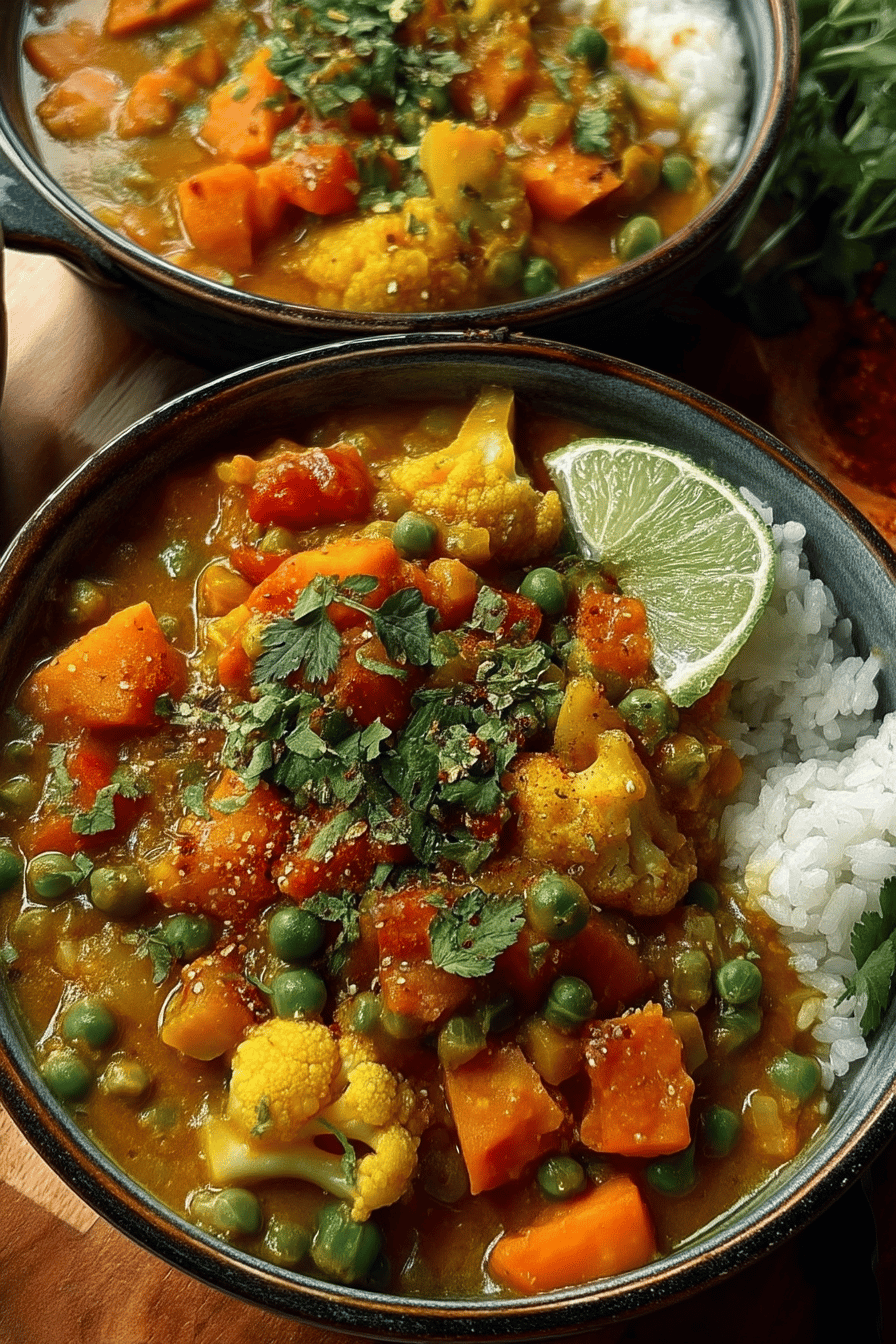
FAQs: Frequently Asked Questions About Vegetable Korma Recipe
What ingredients are typically used in a vegetable korma recipe?
Is vegetable korma a spicy dish?
Can I make vegetable korma gluten-free?
How can I store and reheat leftover vegetable korma?
What vegetables and proteins work best in vegetable korma?

Vegetable Korma Recipe
- Total Time: 40 minutes
- Yield: 8 servings
- Diet: Vegetarian
Description
🥕 Vegetable Korma Recipe Creamy Indian Style Variation is a delicious, wholesome dish packed with a variety of vegetables simmered in a rich, spiced coconut and cashew sauce.
🍛 This comforting, vegetarian-friendly meal offers creamy texture and warming spices, perfect for serving with basmati rice or naan for a fulfilling experience.
Ingredients
– 4 medium carrots peeled and sliced into 1/2-inch thick pieces
– 3 medium gold potatoes peeled and chopped into 1 1/2-inch chunks
– 4 cups cauliflower florets
– 1 cup chopped green beans
– 1 cup frozen peas (or 3/4 cup green peas fresh or frozen as an option)
– 14 ounces canned diced tomatoes
– 1 yellow onion peeled and quartered
– 2 inches fresh ginger roughly chopped
– 6 cloves garlic peeled
– 2 tablespoons vegetable oil used for sautéing
– 3/4 cup raw cashews (or 12 cashew nuts or 12 soaked almonds as substitutes)
– 13.5 ounces full-fat coconut milk (about 1 cup or combined with 1/2 cup canned unsweetened full-fat coconut milk and 3/4 cup plain yogurt for added creaminess)
– 1 jalapeno pepper stemmed and seeded optional for extra heat
– 2 teaspoons garam masala
– 1 tablespoon curry powder
– 1 teaspoon turmeric
– 1 teaspoon dried coriander
– 1 teaspoon ground cinnamon
– 1/2 teaspoon ground cardamom
– 1/2 teaspoon cayenne pepper optional for heat
– 1/2 teaspoon ground black pepper
– 3/4 to 1 teaspoon salt (or 2-3 teaspoons salt to taste)
– 2 tablespoons brown sugar
– 1 3/4 cups water (or enough to cover vegetables during cooking)
– 1 small bay leaf optional for added depth
– 1/2 teaspoon cumin seeds optional for added depth
– 2 green cardamoms optional for added depth
– 3 cloves optional for added depth
– 1 inch cinnamon piece optional for added depth
– 2 tablespoons chopped fresh cilantro leaves (or coriander leaves for garnish)
– 1/4 cup fresh grated coconut (or 1/4 cup coconut milk or 2 tablespoons poppy seeds) optional for authentic variation
– 1 tablespoon roasted chana dal fried gram optional
– 1 teaspoon fennel seeds optional
– 6 tablespoons water for blending into a paste
Instructions
First Step: Prep your ingredients to get everything ready for a smooth start. Soak 3/4 cup raw cashews in boiling water for about 15 minutes to soften them, while you wash and chop the vegetables: slice 4 medium carrots into 1/2-inch pieces, chop 3 medium gold potatoes into 1 1/2-inch chunks, separate 4 cups cauliflower florets, and cut 1 cup green beans. If you’re making it vegan, use just coconut milk instead of any yogurt. This mise en place takes around 10-15 minutes and sets the stage for a flavorful vegetable korma.
Second Step: Boil the vegetables until tender. In a large pot, add the prepared carrots, potatoes, cauliflower, and green beans, then cover with water. Boil over medium-high heat for about 10 minutes until the potatoes are fork-tender drain and set aside. For a low-calorie variation, steam the veggies instead to cut down on any excess water, keeping the nutritional value high in your vegetable korma recipe.
Third Step: Blend the puree for the sauce base. In a blender, combine 14 ounces canned diced tomatoes, 1 quartered yellow onion, 2 inches chopped fresh ginger, and 6 peeled garlic cloves. If you want some heat, add 1 stemmed and seeded jalapeno pepper. Blend until smooth, which takes 1-2 minutes if using the optional kurma paste for extra creaminess, blend 1/4 cup fresh grated coconut (or substitute), 12 cashew nuts, 1 tablespoon roasted chana dal, 1 teaspoon fennel seeds, and 6 tablespoons water separately. This step is great for adapting flavors, like reducing spices for kids or seniors.
Fourth Step: Sauté and simmer the spices. Heat 2 tablespoons vegetable oil in a large pan over medium heat. If you’re using whole spices for depth, add 1 small bay leaf, 1/2 teaspoon cumin seeds, 2 green cardamoms, 3 cloves, and 1 inch cinnamon piece, sautéing for 30 seconds until aromatic. Pour in the blended puree and stir in the spices: 2 teaspoons garam masala, 1 tablespoon curry powder, 1 teaspoon turmeric, 1 teaspoon dried coriander, 1 teaspoon ground cinnamon, 1/2 teaspoon ground cardamom, 1/2 teaspoon cayenne pepper (if you like it spicy), 1/2 teaspoon ground black pepper, and 3/4 to 1 teaspoon salt. Add 2 tablespoons brown sugar for balance, then simmer for 2-3 minutes. For gluten-free preferences, double-check that your spices are pure, and this keeps the vegetable korma recipe inclusive.
Fifth Step: Combine and cook everything together. Drain the soaked cashews and blend them with 13.5 ounces full-fat coconut milk (or mix with 1/2 cup coconut milk and 3/4 cup plain yogurt for creamier results) until smooth, then add to the pan. Stir in 1 cup frozen peas and let it simmer for 1-2 minutes. Mix in the boiled vegetables, coating them well with the sauce if using the kurma paste, stir it in now for that authentic touch. For vegan adaptations, skip the yogurt and use extra coconut milk. Simmer on low-medium heat for 10 minutes, stirring often, and add 1 3/4 cups water if the mixture gets too thick. This step lets you adjust salt or spices to taste, making it flexible for different family needs.
Sixth Step: Use the Instant Pot for a faster option. If you’re short on time, press sauté on your Instant Pot and heat 2 tablespoons vegetable oil. Add any whole spices and sauté for 30 seconds, then toss in the chopped onion and jalapeno if using, cooking for 3 minutes. Add the ginger-garlic paste from the puree, sauté for 30 seconds, then mix in the tomatoes, salt, diced potatoes, other vegetables, spices, kurma paste if desired, and water. Deglaze the pot, seal the lid, and pressure cook on high for 1 minute. After the beep, wait 1 minute and release pressure manually stir gently, and the vegetable korma will thicken as it sits. This method is ideal for busy parents, cutting active time to about 10 minutes while staying true to the recipe’s essence.
Final Step: Serve with finishing touches. Once simmered, adjust seasonings and garnish with 2 tablespoons chopped fresh cilantro. Serve hot with cooked basmati rice and naan for a complete meal. For a low-calorie twist, pair it with whole grains instead of naan this dish pairs well with simple sides like in our chicken tinola recipe. It makes 8 servings, each around 291 calories, and is best enjoyed fresh for that creamy, comforting feel. To add variety, incorporate extras like tofu for protein, keeping your vegetable korma recipe adaptable and fun.
Notes
🥥 Substitute cashews with almonds or sunflower seeds for allergies.
🥘 Vary vegetables like sweet potatoes, broccoli, or chickpeas to suit preference.
🌶️ Adjust heat by adding/removing jalapeno seeds or cayenne pepper as desired.
- Prep Time: 20 minutes
- Cook Time: 20 minutes
- Category: Main Course, Vegetarian
- Method: Simmering
- Cuisine: Indian
Nutrition
- Serving Size: 1 serving
- Calories: 291 kcal
- Sugar: 10 g
- Sodium: 705 mg
- Fat: 16 g
- Saturated Fat: 10 g
- Unsaturated Fat: 4 g
- Trans Fat: 0 g
- Carbohydrates: 34 g
- Fiber: 7 g
- Protein: 8 g
- Cholesterol: 0 mg
Keywords: Vegetable Korma Recipe, Creamy, Indian Style, Variation