

Why You’ll Love This Latin Yellow Rice
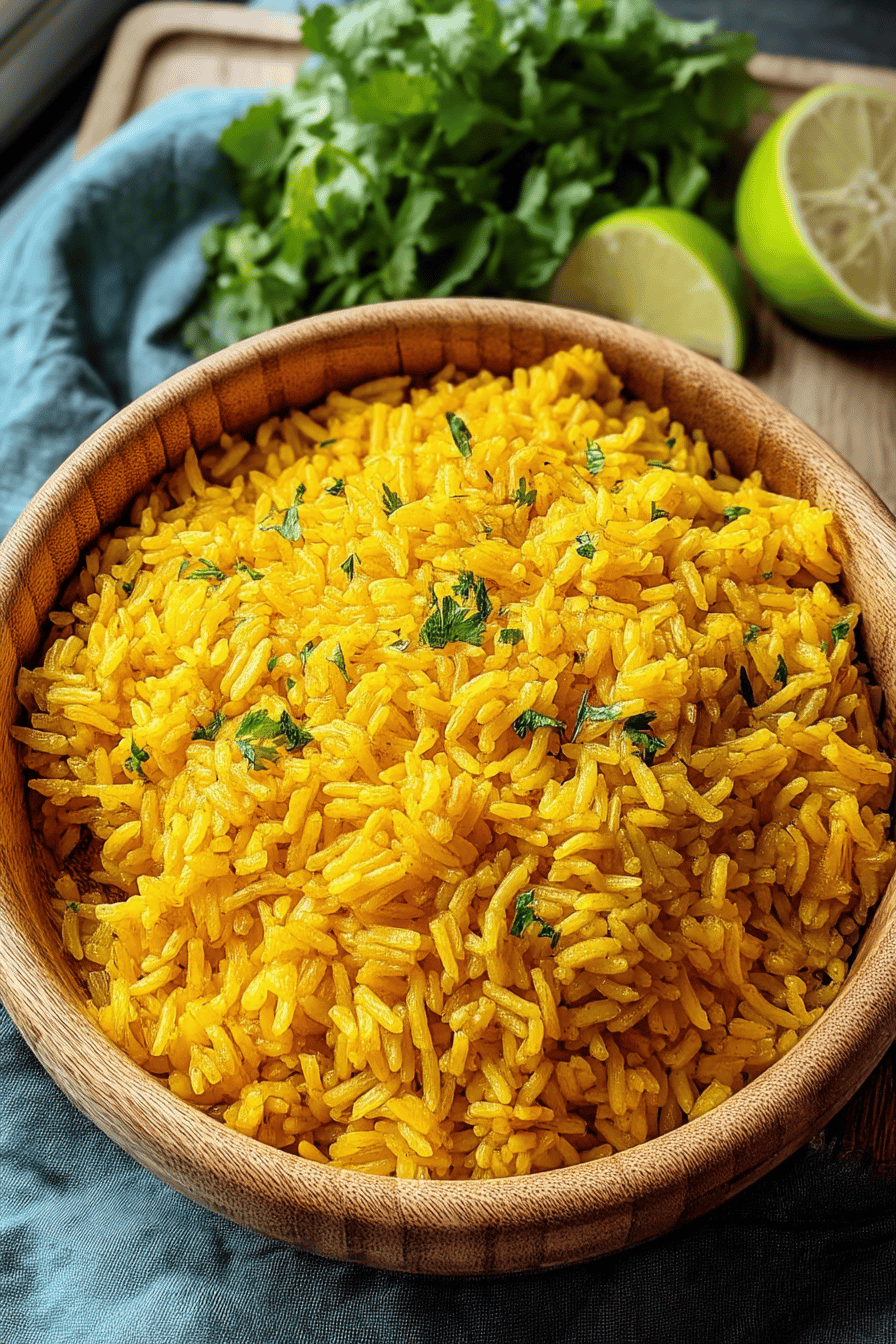
This Latin yellow rice is a staple in many kitchens, offering a simple yet flavorful way to bring authentic tastes to your table. Whether you’re a home cook looking for an easy side dish or a busy parent needing a quick meal, this recipe for Latin yellow rice delivers on both taste and convenience. With its vibrant color and aromatic spices, it’s sure to become a go-to option that pairs well with everything from meats to vegetables.
One of the top benefits is its ease of preparation. This Latin yellow rice comes together in just 30-50 minutes, making it perfect for quick weeknight dinners without sacrificing flavor. The straightforward steps mean even beginners can master it, using basic ingredients that are often on hand. You’ll appreciate how this recipe cuts down on fuss while still creating a dish that’s as impressive as it is simple.
- Ease of preparation: This Latin yellow rice recipe shines with its simplicity and quick cooking time, allowing you to chop veggies and combine everything in one pot. For instance, sautéing the ingredients takes only 5-7 minutes, and the rice simmers on its own, freeing you up to handle other tasks. It’s ideal for Latin yellow rice fans who value efficiency without compromising on homemade goodness.
- Health benefits: Packed with nutrients, this Latin yellow rice provides a balance of carbs, protein, and fiber per serving, supporting overall wellness. For example, the vegetables like bell peppers and tomatoes add vitamins, while the rice offers sustained energy; check out the Nutritional Benefits of Long Grain Rice for more on how it aids digestion and provides essential minerals. It’s a smart choice for diet-conscious individuals seeking a tasty yet nourishing meal.
- Versatility: Latin yellow rice adapts effortlessly to different dietary needs, making it a flexible favorite for families. You can swap ingredients like vegetable bouillon for a vegetarian version or adjust seasonings for gluten-free options, ensuring everyone enjoys it. This adaptability lets you customize the dish for various occasions, from casual family dinners to special gatherings.
- Distinctive flavor: What sets this Latin yellow rice apart is its unique blend of spices and herbs that deliver a burst of authentic Latin flavors in every bite. The combination of saffron or annatto for color, along with garlic and cilantro, creates a fragrant and savory profile that’s both earthy and bright. It’s this special touch that makes your meal stand out, encouraging you to experiment and make it your own.
As you explore this recipe, you’ll find it enhances your cooking routine with its reliable results and minimal cleanup. Plus, its cultural roots add a fun element, inspiring you to try more Latin-inspired dishes. Overall, this Latin yellow rice is a crowd-pleaser that balances ease, nutrition, and taste in one delightful package.
Essential Ingredients for Latin Yellow Rice
Gathering the right ingredients is key to making authentic Latin yellow rice that bursts with flavor and color. This section breaks down the main components, ensuring you have everything needed for a successful dish. We’ll cover precise measurements and the role each ingredient plays, making it simple to follow along.
Main Ingredients
- 2 cups uncooked long grain rice – Forms the base of this Latin yellow rice, providing a fluffy texture and absorbing flavors from the spices and veggies for a hearty foundation.
- 4 teaspoons oil – Used for sautéing, this helps in evenly cooking the vegetables and rice, adding a subtle richness without overwhelming the dish.
- 1 large chicken or vegetable bouillon cube – Infuses the rice with savory depth; for a healthier twist like in other rice-based recipes, opt for low-sodium versions to enhance the overall taste.
- 5 medium scallions, chopped – Adds a fresh, onion-like crunch and mild flavor that brightens the sautéed mix.
- 1/3 cup diced onion – Provides a sweet, aromatic base that builds the flavor profile of this Latin yellow rice dish.
- 1/3 cup diced green bell pepper – Brings earthiness and a slight crunch, contributing to the vegetable medley that makes the rice more nutritious.
- 1/2 red bell pepper, diced – Offers sweetness and vibrant color, enhancing the visual appeal and taste of Latin yellow rice.
- 2 cloves garlic, minced – Delivers a pungent, aromatic punch that elevates the overall seasoning and authenticity.
- 1 medium tomato, diced – Adds juiciness and acidity, balancing the spices and making the rice more flavorful.
- 4 ounces jarred pimentos, drained and sliced or diced – Provides a sweet, tangy note and extra color, often used in Latin cuisine for a traditional twist.
- 1/2 cup chopped cilantro – Infuses fresh, herbaceous notes that tie all the flavors together in this Latin yellow rice.
- 4 cups water – Essential for cooking the rice to perfection, maintaining the ideal ratio for tender grains.
- 1 packet Sazon seasoning – Key for that signature Latin yellow rice seasoning; learn more about its role in Overview of Sazon Seasoning in Latin Cuisine to appreciate its impact.
- 1/8 teaspoon annatto powder (or turmeric powder as a substitute) – Gives the rice its characteristic yellow hue and mild, earthy flavor, making it visually striking.
- 1/8 teaspoon crushed saffron – Adds a luxurious, floral aroma; it’s a premium option that can be swapped for more affordable alternatives like annatto.
- 1 bay leaf – Imparts subtle herbal notes that enhance the depth without overpowering other ingredients.
- 1/2 cup frozen peas – Stirred in at the end, these add a pop of sweetness and extra nutrients for a well-rounded dish.
- 1 teaspoon salt, or more to taste – Seasons the rice perfectly, ensuring all flavors shine through.
Special Dietary Options
- Vegan: Swap the chicken bouillon for vegetable bouillon to keep this Latin yellow rice plant-based, maintaining the same hearty flavors with substitutes like olive oil instead of animal-derived options.
- Gluten-free: This recipe is naturally gluten-free, but double-check that your Sazon seasoning and bouillon are certified gluten-free to avoid any hidden ingredients.
- Low-calorie: Reduce oil to 2 teaspoons and use low-sodium bouillon to lighten up this Latin yellow rice, focusing on the veggies for a nutrient-dense meal with fewer calories.
How to Prepare the Perfect Latin Yellow Rice: Step-by-Step Guide
Mastering Latin yellow rice starts with simple, clear steps that anyone can follow. This guide walks you through the process, ensuring your dish turns out fluffy and full of flavor every time. We’ll include tips for adapting it to different preferences, like dietary needs, along with timing and temperature details.
First Step: Gather and Prep Your Ingredients
Begin by preparing all your ingredients to make the process smooth. Chop the scallions, onion, green bell pepper, red bell pepper, garlic, tomato, pimentos, and cilantro as specified. This mise en place takes about 5-10 minutes and sets you up for success. For those with dietary restrictions, like vegan adaptations, have vegetable bouillon ready to swap in seamlessly.
Second Step: Sauté the Vegetables
Heat 4 teaspoons of oil in a medium heavy pot over medium heat this should take about 1-2 minutes to warm up. Add the scallions, onion, green bell pepper, red bell pepper, cilantro, and garlic, then sauté for 5 minutes until they become tender and aromatic. If you’re aiming for a lower-calorie version, use less oil here to cut back without losing flavor. Stir occasionally to prevent sticking, adapting for preferences like adding extra spices if desired.
Third Step: Add the Tomato and Rice
Once the veggies are tender, mix in the diced tomato and cook for another 1-2 minutes until it softens. Then, stir in 2 cups of uncooked long grain rice and cook for 2 more minutes, stirring frequently to coat the grains with the flavorful oil. This step toasts the rice slightly, enhancing its taste. For gluten-free needs, ensure all additions are suitable, and if using brown rice for a healthier twist, note it may need a longer cook time.
Fourth Step: Incorporate Liquids and Seasonings
Add 4 cups of water, the bouillon cube, Sazon seasoning, annatto powder (or turmeric), saffron, bay leaf, and 1 teaspoon of salt to the pot. Bring everything to a boil over high heat, stirring once to combine this takes about 5 minutes. Once boiling, reduce the heat to very low when the water just barely skims the rice. Cover the pot tightly; if your lid isn’t secure, use foil to seal it better. This is a good point to consider vegetarian swaps, like vegetable bouillon, for inclusive cooking.
Fifth Step: Simmer and Rest
Simmer the rice covered on low heat for 25 minutes, or until the liquid is absorbed and the rice is tender avoid opening the lid to keep steam in for even cooking. After the time is up, remove from heat and gently stir in the 1/2 cup frozen peas and pimentos. Let it rest with the lid on for 5-10 minutes to finish cooking through steam. This resting period is crucial for dietary adaptations, as it helps maintain texture for low-calorie or vegan versions.
Final Step: Fluff and Serve
Finally, fluff the rice gently with a fork to separate the grains and distribute the peas and pimentos evenly. Serve it hot as a side or main dish, perhaps alongside proteins for a complete meal. This Latin yellow rice can be adjusted for various tastes, like adding red pepper flakes for spice, and stores well for later use. With prep time of 5-10 minutes and cook time of 25-40 minutes, you’re ready to enjoy in under an hour.
This method ensures your Latin yellow rice is perfectly cooked, with each step building on the last for optimal results. Remember, using a heavy pot helps with even heat, and always taste for salt before serving to tailor it to your preferences.

Dietary Substitutions to Customize Your Latin Yellow Rice
Protein and Main Component Alternatives
Customizing Latin yellow rice for different dietary needs starts with swapping the main protein or base ingredients. For instance, if you’re avoiding animal products, replace the chicken bouillon with vegetable bouillon to keep the dish hearty. If rice isn’t your go-to, try using quinoa as a protein-packed alternative, which maintains the fluffy texture while adding more nutrients for health-focused eaters.
Another option is to incorporate plant-based proteins like beans or lentils, which can boost the protein content without altering the core flavors. For those watching calories, reduce the oil or use broth instead of bouillon to lighten the recipe. These changes make Latin yellow rice adaptable for busy parents or students seeking quick, personalized meals.
Vegetable, Sauce, and Seasoning Modifications
Vegetables in Latin yellow rice can be swapped based on what’s in season or your preferences. For example, replace green bell pepper with zucchini for a milder taste, or add spinach for extra vitamins, catering to diet-conscious individuals. Sauces like a tomato-based one can stand in for pimentos, providing similar sweetness while accommodating various tastes.
When it comes to seasonings, experiment with herbs like oregano instead of cilantro for a different twist, or reduce Sazon for a less salty version. These modifications ensure the dish remains versatile for food enthusiasts and travelers exploring new flavors, all while keeping the essence of Latin yellow rice intact.
Mastering Latin Yellow Rice: Advanced Tips and Variations
Pro Cooking Techniques
To elevate your Latin yellow rice, focus on techniques like using a cast iron pot for better heat retention, which ensures even cooking and prevents sogginess. Always let the rice rest for at least 5 minutes post-cooking to lock in flavors, and avoid stirring during simmering to keep grains intact.
Flavor Variations
Play with seasonings by adding red pepper flakes for spice or swapping saffron for turmeric to vary the taste while maintaining the yellow hue. You can also mix in herbs like parsley for a fresh spin, creating endless Latin yellow rice options for different palates.
Presentation Tips
Garnish with fresh cilantro or lime wedges to make your dish visually appealing, turning a simple side into a centerpiece. Serve in colorful bowls to enhance the vibrant colors, impressing guests at gatherings.
Make-Ahead Options
Prep veggies in advance and store them for up to 2 days, making this recipe ideal for working professionals. Batch cook and freeze portions for quick meals, ensuring you always have Latin yellow rice on hand.
How to Store Latin Yellow Rice: Best Practices
Proper storage keeps your Latin yellow rice fresh and safe to eat. Let’s cover the essentials for maintaining quality whether you’re refrigerating or freezing it.
- Refrigeration: Store leftovers in an airtight container in the fridge for up to 4 days to keep flavors intact; this works well for short-term meal prep.
- Freezing: For longer storage, freeze in freezer-safe bags for up to 2 months, thawing in the fridge before reheating to preserve texture.
- Reheating: Warm on the stove with a splash of water to restore moisture, or use the microwave for quick results, ensuring it’s heated to a safe temperature.
- Meal prep considerations: Divide into portions for easy grab-and-go meals, helping busy cooks stay organized with minimal waste.
| Storage Method | Duration | Tips |
|---|---|---|
| Refrigeration | Up to 4 days | Use airtight containers to avoid drying out |
| Freezing | Up to 2 months | Thaw slowly for best results |
FAQs: Frequently Asked Questions About Latin Yellow Rice
What ingredients are used to make authentic Latin yellow rice?
How much water should I use to cook Latin yellow rice?
Should I rinse Latin yellow rice before cooking it?
Can I use saffron in Latin yellow rice, or are there good substitutes?
How do I store and reheat leftover Latin yellow rice?

Latin Yellow Rice
- Total Time: 30-50 minutes
- Yield: 6 to 8 servings 1x
- Diet: Vegetarian (if vegetable bouillon is used)
Description
🌾 Savor the authentic flavors of Latin Yellow Rice, a vibrant and colorful dish perfect as a side or main.
🍅 This recipe combines fresh vegetables and aromatic spices to create a delicious, easy-to-make rice that brightens any meal.
Ingredients
2 cups uncooked long grain rice
4 teaspoons oil for sautéing
1 large chicken or vegetable bouillon cube
5 medium scallions, chopped
1/3 cup diced onion
1/3 cup diced green bell pepper
1/2 red bell pepper, diced
2 cloves garlic, minced
1 medium tomato, diced
4 ounces jarred pimentos, drained and sliced or diced
1/2 cup chopped cilantro
4 cups water
1 packet Sazon seasoning
1/8 teaspoon annatto powder (or turmeric powder as a substitute)
1/8 teaspoon crushed saffron
1 bay leaf
1/2 cup frozen peas
1 teaspoon salt, or more to taste
Instructions
First Step: Gather and Prep Your Ingredients Begin by preparing all your ingredients to make the process smooth. Chop the scallions, onion, green bell pepper, red bell pepper, garlic, tomato, pimentos, and cilantro as specified. This mise en place takes about 5-10 minutes and sets you up for success. For those with dietary restrictions, like vegan adaptations, have vegetable bouillon ready to swap in seamlessly.
Second Step: Sauté the Vegetables Heat 4 teaspoons of oil in a medium heavy pot over medium heat this should take about 1-2 minutes to warm up. Add the scallions, onion, green bell pepper, red bell pepper, cilantro, and garlic, then sauté for 5 minutes until they become tender and aromatic. If you’re aiming for a lower-calorie version, use less oil here to cut back without losing flavor. Stir occasionally to prevent sticking, adapting for preferences like adding extra spices if desired.
Third Step: Add the Tomato and Rice Once the veggies are tender, mix in the diced tomato and cook for another 1-2 minutes until it softens. Then, stir in 2 cups of uncooked long grain rice and cook for 2 more minutes, stirring frequently to coat the grains with the flavorful oil. This step toasts the rice slightly, enhancing its taste. For gluten-free needs, ensure all additions are suitable, and if using brown rice for a healthier twist, note it may need a longer cook time.
Fourth Step: Incorporate Liquids and Seasonings Add 4 cups of water, the bouillon cube, Sazon seasoning, annatto powder (or turmeric), saffron, bay leaf, and 1 teaspoon of salt to the pot. Bring everything to a boil over high heat, stirring once to combine this takes about 5 minutes. Once boiling, reduce the heat to very low when the water just barely skims the rice. Cover the pot tightly; if your lid isn’t secure, use foil to seal it better. This is a good point to consider vegetarian swaps, like vegetable bouillon, for inclusive cooking.
Fifth Step: Simmer and Rest Simmer the rice covered on low heat for 25 minutes, or until the liquid is absorbed and the rice is tender avoid opening the lid to keep steam in for even cooking. After the time is up, remove from heat and gently stir in the 1/2 cup frozen peas and pimentos. Let it rest with the lid on for 5-10 minutes to finish cooking through steam. This resting period is crucial for dietary adaptations, as it helps maintain texture for low-calorie or vegan versions.
Final Step: Fluff and Serve Finally, fluff the rice gently with a fork to separate the grains and distribute the peas and pimentos evenly. Serve it hot as a side or main dish, perhaps alongside proteins for a complete meal. This Latin yellow rice can be adjusted for various tastes, like adding red pepper flakes for spice, and stores well for later use. With prep time of 5-10 minutes and cook time of 25-40 minutes, you’re ready to enjoy in under an hour.
Notes
🍚 Use a heavy pot with a tight-fitting lid to retain steam and help rice cook evenly.
🌶️ For extra flavor, add red pepper flakes or hot sauce for a spicy kick.
🥄 Always fluff the rice with a fork after cooking to keep grains separate and avoid mushiness.
- Prep Time: 5-10 minutes
- Steaming Time: 5-10 minutes
- Cook Time: 25-40 minutes
- Category: Side Dish
- Method: Sautéing, Simmering, Steaming
- Cuisine: Latin American
Nutrition
- Serving Size: 3/4 cup
- Calories: 199
- Sugar: 0.5 g
- Sodium: 564 mg
- Fat: 2.5 g
- Saturated Fat: 0.5 g
- Unsaturated Fat: 2 g
- Trans Fat: 0 g
- Carbohydrates: 39 g
- Fiber: 1 g
- Protein: 4 g
- Cholesterol: 0 mg
Keywords: Latin Yellow Rice,Simple Recipe Guide,Authentic Latin,Easy Side Dish