
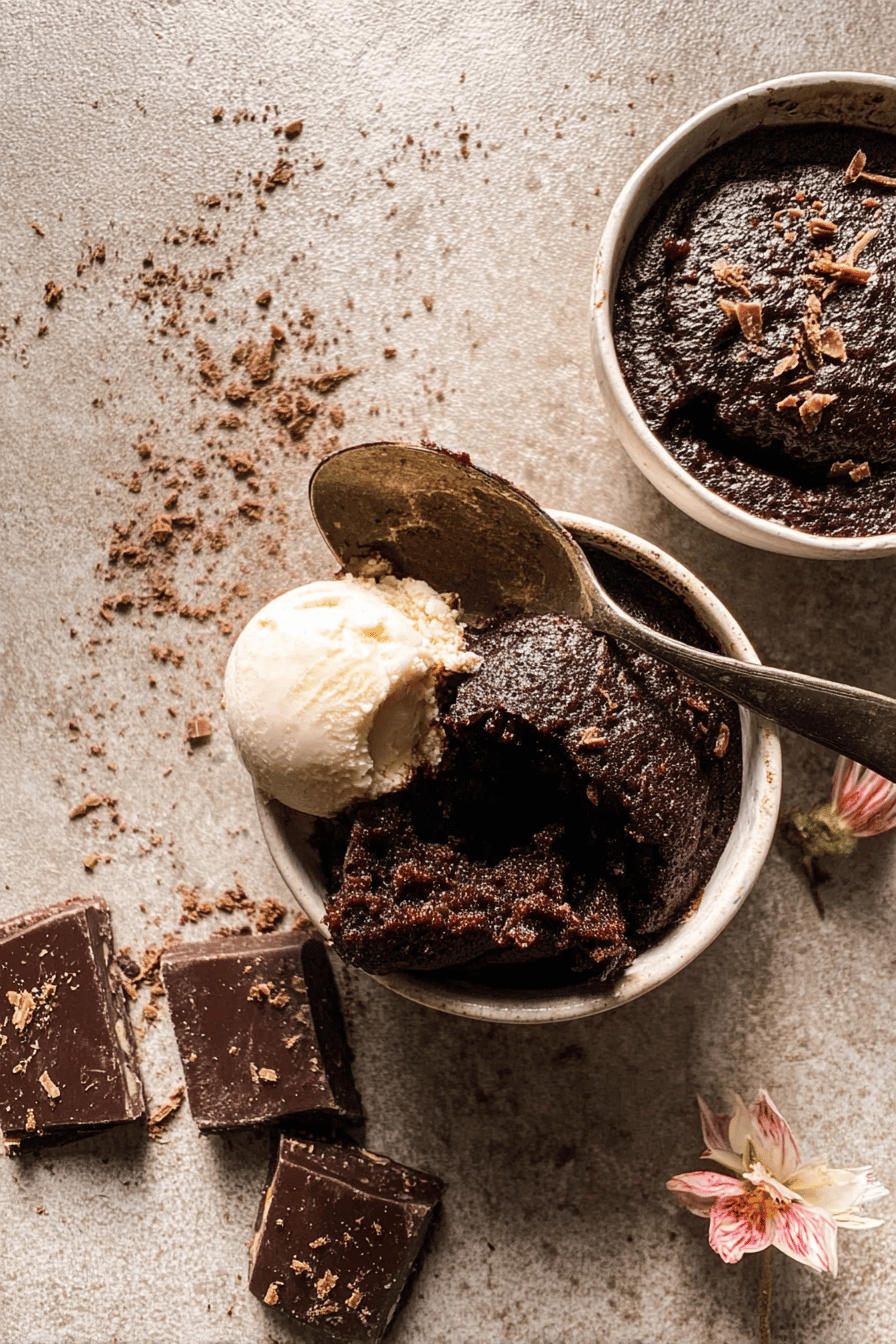
Why You’ll Love This Chocolate
Chocolate appeals to a wide range of individuals, including home cooks, busy parents, and baking enthusiasts, due to its ease of preparation and straightforward processes. It provides health benefits through its antioxidant properties and essential nutrients, making it a suitable option for diet-conscious individuals. This versatility allows for adaptations to various dietary needs, ensuring that travelers, newlyweds, students, seniors, and working professionals can enjoy it without compromising their preferences.
- Ease of preparation stems from simple recipes that require minimal ingredients and steps, ideal for novice cooks and those with demanding schedules.
- Health benefits arise from compounds like antioxidants, which support overall wellness and offer a balanced indulgence.
- Versatility enables modifications for vegan, gluten-free, or low-calorie diets, accommodating diverse groups such as food enthusiasts and diet-conscious individuals.
- Distinctive flavor results from a unique blend of cocoa and complementary ingredients, delivering a memorable taste that stands out in everyday meals.
Furthermore, chocolate’s rich composition contributes to its popularity among baking enthusiasts, as it enhances dishes with depth and satisfaction. The primary keyword, chocolate, underscores its central role in creating memorable culinary experiences. These attributes make chocolate a staple for exploring new flavors and fostering enjoyable moments around the table.
Essential Ingredients for Chocolate
Understanding the essential components of chocolate involves examining both core materials and recipe-specific items, which together form the foundation of various chocolate types like dark, milk, and white chocolate. Dark chocolate typically comprises about 70% cocoa mass including cocoa solids and cocoa butter, with around 30% sugar, while milk chocolate contains approximately 30% cocoa mass, 20% milk solids, and 50% sugar; white chocolate features about 20% cocoa butter, 30% milk solids, and 50% sugar. These proportions highlight the precise balance needed for optimal flavor and texture, though exact measurements depend on the recipe.
Main Ingredients
For this recipe, the ingredients must be listed comprehensively with their precise measurements to ensure accurate preparation. Below is the structured list extracted from the provided details:
- 200g dark cocoa powder – adds rich chocolate flavor and antioxidants
- 150g organic cane sugar – sweetens naturally without bitterness
- 100ml coconut milk – provides creamy texture and dairy-free option
- 50g chopped nuts – enhances texture and adds nutritional value
Additional Core Ingredients from Chocolate Production
To provide a complete overview, the fundamental ingredients in chocolate production include the following, based on standard processes:
- Cocoa beans, the seed of the cacao tree, serve as the primary raw material
- Sugar is added to sweeten the chocolate
- Milk solids are incorporated when making milk chocolate
- Cocoa butter, the fat extracted from the bean, is used in all chocolate types, including white chocolate
- Optional additions such as nuts like hazelnuts for gianduja, flavorings, or additional cocoa solids for specialty varieties such as dark, ruby, or raw chocolate
This structured format ensures readers can easily identify quantities and make adjustments for their needs while incorporating secondary keywords like chocolate recipes and milk chocolate.
How to Prepare the Perfect Chocolate: Step-by-Step Guide
Preparing chocolate involves a detailed sequence that mirrors the broader production process, beginning with harvesting and ending with molding. The overall timeline from harvest to finished product averages about 14 days, including fermentation for 1-7 days, drying for 5-7 days, and subsequent steps like roasting and conching that take several hours to a few days. This guide adapts those principles into a home recipe, ensuring perfect texture through careful steps.
Step-by-Step Instructions
- First, preheat the oven to 175°C (350°F) and line a baking tray with parchment paper to prepare for baking.
- Second, in a mixing bowl, sift the 200g dark cocoa powder and 150g organic cane sugar to ensure there are no lumps, promoting a smooth mixture.
- Third, slowly add 100ml coconut milk while stirring gently to create a smooth mixture; for vegan adaptation, confirm that plant-based milk is used as specified.
- Fourth, fold in 50g chopped nuts carefully, adjusting amounts for dietary preferences or allergies to maintain texture integrity.
- Fifth, pour the batter onto the prepared tray and spread evenly for uniform cooking.
- Sixth, bake for 15-20 minutes, checking for doneness with a toothpick; baking times may vary based on oven performance, aligning with long-tail keywords like tips for achieving perfect chocolate texture in brownies.
- Final, allow cooling before slicing and serving to achieve the desired firmness, drawing from tempering techniques that form stable fat structures for a glossy finish.
By following this process, users can replicate professional methods at home, incorporating steps such as grinding nibs into chocolate liquor and refining blends to enhance the final product. For more ideas on chocolate variations, consider exploring this chocolate brownies recipe on our site.

Dietary Substitutions to Customize Your Chocolate
Customizing chocolate involves strategic modifications to accommodate dietary restrictions, such as replacing components to suit vegan or gluten-free preferences. Protein alternatives like pea or rice protein powders can increase nutritional value in vegan options, while vegetable-based substitutions adjust for allergies and enhance flavor. These changes align with general guidelines for chocolate proportions, ensuring the end result maintains its rich characteristics.
- Replace nuts with seeds such as pumpkin or sunflower for nut-free diets, preserving texture and nutritional benefits.
- Use pea or rice protein powders to boost protein content, particularly in vegan formulations like those using coconut milk.
- Swap coconut milk with oat or almond milk based on preference or allergies, maintaining the creamy aspect essential for milk chocolate-like results.
- Enhance flavor with additions like cinnamon, chili powder, or vanilla extract to align with specialty varieties and adapt to dietary needs.
These substitutions allow for flexibility in recipes, supporting long-tail keywords such as substitutes for cocoa powder in chocolate recipes while keeping the formulation balanced.
Mastering Chocolate: Advanced Tips and Variations
Advanced techniques in chocolate preparation elevate the product through processes like tempering, which cools and reheats chocolate to form stable crystal structures for a glossy finish and firm snap. Flavor variations can include adding elements like orange zest, sea salt, or chili flakes to increase complexity, drawing from the blending and conching stages in production. Presentation and storage considerations further refine the experience, integrating the typical production timeline for optimal results.
Pro Cooking Techniques
- Temper chocolate properly to achieve a glossy finish and smooth texture, a critical step that involves controlled cooling and heating.
- Experiment with flavor variations by incorporating ingredients like orange zest or sea salt to enhance the profile of dark or milk chocolate.
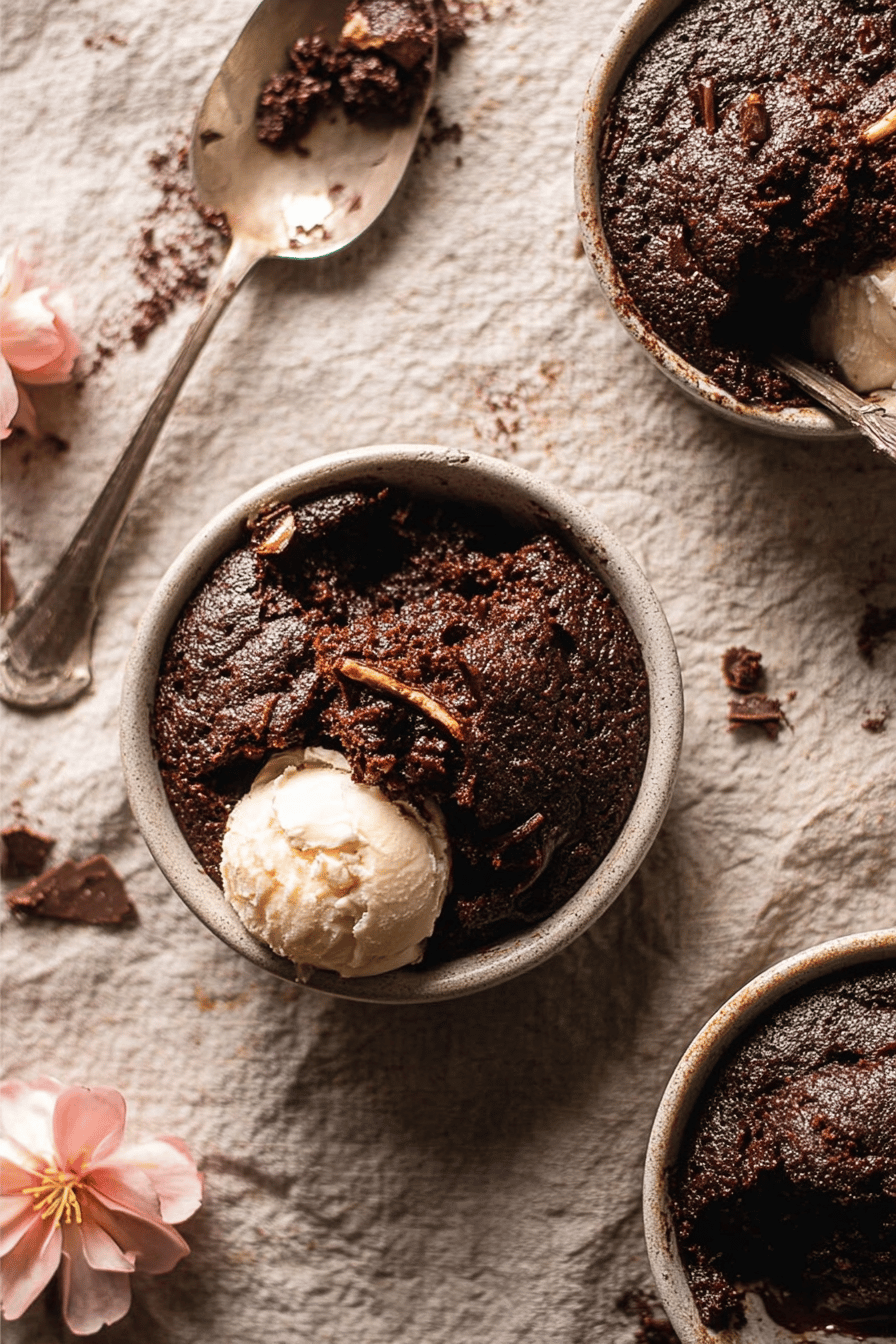
- Garnish with options such as edible flowers or a dusting of cocoa powder for an elegant appearance, improving visual appeal.
- Prepare batter in advance and refrigerate for up to 24 hours to save time, aligning with conching processes that refine texture over time.
These tips incorporate secondary keywords like rich chocolate flavor and baking chocolate, while a table below outlines nutritional highlights to provide context.
| Nutrient | Amount per 100g of Typical Milk Chocolate |
|---|---|
| Energy | Approximately 540 kcal |
| Carbohydrates | Approximately 59% (52% sugars, 3% dietary fiber) |
| Fat | Approximately 30% (mainly saturated stearic and palmitic acids) |
| Protein | Approximately 8% |
| Micronutrients | Good source of riboflavin (B2), vitamin B12, calcium, iron, potassium, phosphorus, magnesium, and manganese |
How to Store Chocolate: Best Practices
Proper storage of chocolate maintains its quality by preventing issues like sugar bloom or fat bloom, which occur due to moisture or high temperatures. Keep chocolate at 15-17°C with relative humidity below 50% to avoid temperature swings that could degrade texture. High temperatures above 24°C may cause fat bloom, resulting in gray-white streaks, though the chocolate remains safe for consumption.
- Maintain chocolate in an airtight container in the fridge for short-term storage up to one week to preserve freshness.
- Wrap tightly and freeze in a moisture-proof container for long-term preservation, thawing slowly at room temperature to prevent condensation.
- Warm gently in a microwave or double boiler if needed, ensuring to avoid seizing and maintain the original texture.
- Store individual portions separately during meal prep to uphold quality and facilitate easy serving, while keeping it away from strong-smelling foods as chocolate absorbs odors.
These practices align with guidelines from chocolate production and support long-tail keywords like guide to tempering chocolate for glossy finish. For related storage ideas, visit this chocolate mousse recipe page.
This approach not only preserves flavor and color but also ensures chocolate remains a reliable ingredient for various recipes.
FAQs: Frequently Asked Questions About Chocolate
What are the main types of chocolate and how do they differ?
How can I store chocolate to keep it fresh longer?
Is dark chocolate healthy, and what are its potential benefits?
Can chocolate be used in cooking besides desserts?
How can I tell if chocolate has gone bad?
Chocolate
- Total Time: 14 days
- Yield: Approximately 1 kg of finished chocolate (varies by recipe) 1x
- Diet: Vegetarian
Description
🍫 Crafting chocolate at home lets you control flavor, sweetness, and texture for a truly personalized treat.
🔬 Mastering each step—from roasting beans to tempering—ensures a glossy finish and satisfying snap every time.
Ingredients
200g dark cocoa powder adds rich chocolate flavor and antioxidants
150g organic cane sugar sweetens naturally without bitterness
100ml coconut milk provides creamy texture and dairy-free option
50g chopped nuts enhances texture and adds nutritional value
Cocoa beans
Sugar
Milk solids
Cocoa butter
nuts (hazelnuts) for gianduja
flavorings
cocoa solids for specialty varieties such as dark, ruby, or raw chocolate
Instructions
1-First, preheat the oven to 175°C (350°F) and line a baking tray with parchment paper to prepare for baking.
2-Second, in a mixing bowl, sift the 200g dark cocoa powder and 150g organic cane sugar to ensure there are no lumps, promoting a smooth mixture.
3-Third, slowly add 100ml coconut milk while stirring gently to create a smooth mixture; for vegan adaptation, confirm that plant-based milk is used as specified.
4-Fourth, fold in 50g chopped nuts carefully, adjusting amounts for dietary preferences or allergies to maintain texture integrity.
5-Fifth, pour the batter onto the prepared tray and spread evenly for uniform cooking.
6-Sixth, bake for 15-20 minutes, checking for doneness with a toothpick; baking times may vary based on oven performance, aligning with long-tail keywords like tips for achieving perfect chocolate texture in brownies.
7-Final, allow cooling before slicing and serving to achieve the desired firmness, drawing from tempering techniques that form stable fat structures for a glossy finish.
Notes
🛠️ Keep your work environment at 15–17 °C and humidity below 50 % to prevent bloom during tempering.
❄️ If chocolate does develop sugar or fat bloom, re‑temper it to restore a smooth glossy surface.
📦 Store finished chocolate in airtight foil or containers away from strong odors, in darkness, and avoid refrigeration unless necessary.
- Prep Time: 30 minutes
- Fermentation & Drying: 12 days
- Cook Time: 2 hours
- Category: Confectionery
- Method: Chocolate Making
- Cuisine: International
Nutrition
- Serving Size: 30 g (one small piece)
- Calories: 540 kcal
- Sugar: 52 g
- Sodium: 80 mg
- Fat: 30 g
- Saturated Fat: 18 g
- Unsaturated Fat: 10 g
- Trans Fat: 0 g
- Carbohydrates: 59 g
- Fiber: 3 g
- Protein: 8 g
- Cholesterol: 0 mg
Keywords: Chocolate, Recipes, Tips, Texture