
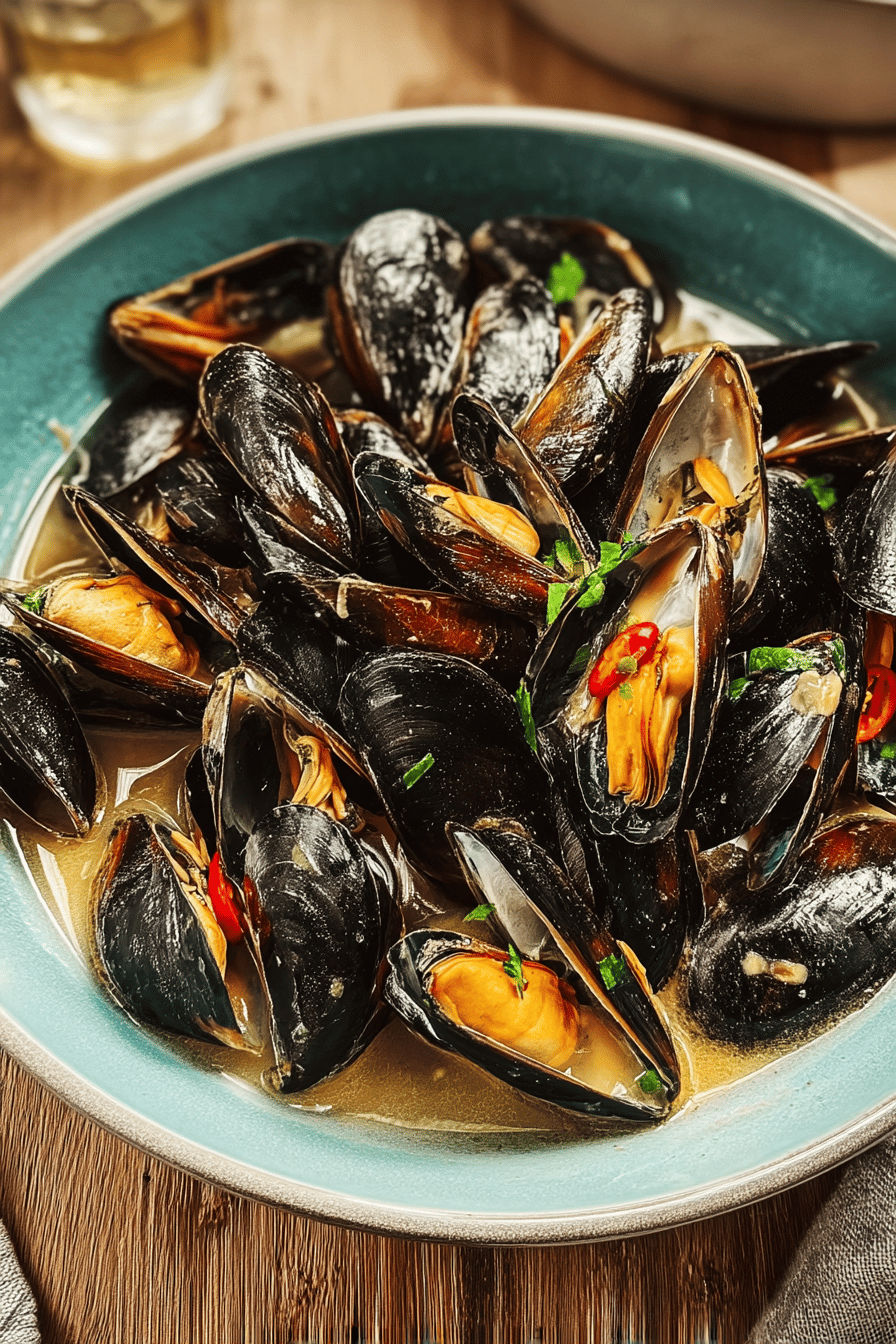
Why You’ll Love This Mussel Cooking Guide
Imagine whipping up a seafood dish that’s both fancy and effortless mussel cooking guide makes that dream a reality! This approach transforms simple mussels into a restaurant-quality meal right in your kitchen. Whether you’re a seafood newbie or a seasoned cook, you’ll appreciate how this method streamlines the process while delivering incredible results. Let me share why this cooking technique has become my go-to for impressing guests and satisfying my own seafood cravings.
- Ease of preparation: One of the standout features of mussel cooking guide is its straightforward approach that requires minimal prep time and basic kitchen skills. You can have fresh mussels ready to serve in just 10-20 minutes, making it perfect for busy weeknights when you want something special without spending hours in the kitchen. This mussel preparation method eliminates complicated techniques and fancy equipment, turning what might seem intimidating into an accessible dish that anyone can master. As noted in traditional mussel recipes, the simplicity is part of why this dish has remained popular across cultures for centuries.
- Health benefits: Mussel cooking guide delivers impressive nutritional perks that make it a smart choice for health-conscious eaters. Fresh mussels are packed with high-quality protein, omega-3 fatty acids, and essential minerals like iron, selenium, and zinc. Following this mussel cooking technique helps preserve these nutrients while keeping the dish relatively low in calories typically around 150-200 calories per serving. The steaming process maintains the mussels’ natural goodness without adding excessive fats, making this seafood preparation method ideal for weight management, heart health, and boosting immune function. Regular consumption of mussels prepared this way contributes to better brain health and reduced inflammation.
- Versatility: Mussel cooking guide shines in its adaptability to various dietary preferences and cultural flavor profiles. This mussel preparation technique works beautifully whether you’re creating a classic French Moules Marinières, an Italian-inspired tomato-based version, or an Asian-style steamed dish. The method accommodates gluten-free diets naturally, can be adapted for low-carb eating plans, and pairs well with numerous side dishes. For those avoiding shellfish, the cooking principles transfer seamlessly to other seafood like clams or even to plant-based alternatives like oyster mushrooms, making this mussel guide a flexible foundation for countless culinary creations.
- Distinctive flavor: What truly sets mussel cooking guide apart is the incredible depth of flavor achieved through simple techniques. The natural brininess of fresh mussels combines beautifully with aromatics like garlic, shallots, and herbs, creating a complex taste profile that’s both elegant and comforting. This mussel preparation method enhances the seafood’s natural sweetness while allowing additional flavors to infuse gently, resulting in a broth that’s as delicious as the mussels themselves. The distinctive taste comes from the perfect balance of ocean-fresh seafood, aromatic vegetables, and carefully selected seasonings that work in harmony rather than competing a hallmark of excellent seafood cooking.
At around 250 words, this section highlights why mussel cooking guide deserves a place in your regular meal rotation, combining convenience, nutrition, flexibility, and exceptional taste in one approachable package.
Essential Ingredients for Mussel Cooking Guide
The secret to perfect mussels lies not just in technique but in selecting and combining the right ingredients. My mussel cooking guide emphasizes quality components that work together to create a memorable dish. Below you’ll find everything you need, with precise measurements and explanations to ensure your first attempt is as successful as your fiftieth.
Main Ingredients
- 2 lbs (about 1 kg) fresh mussels – These form the foundation of our dish; fresh live mussels should have closed shells or close when tapped, ensuring they’re alive and safe to eat.
- 3 tablespoons olive oil (or butter for richness) – Provides the cooking fat base and carries flavors; butter adds richness while olive oil offers a lighter, fruitier note to complement the mussels.
- 4-6 garlic cloves, finely minced – Creates aromatic depth and pairs beautifully with seafood; garlic’s pungency mellows during cooking, enhancing rather than overpowering the mussels.
- 1 large shallot, finely diced (or 1/2 yellow onion) – Adds subtle sweetness and complexity; shallots offer a more delicate flavor than onions, working harmoniously in seafood dishes.
- 1/2 cup white wine (dry Sauvignon Blanc or Pinot Grigio) – Deglazes the pan and adds acidity; if avoiding alcohol, substitute with seafood stock or lemon juice for similar brightening effects.
- 1 cup chicken or vegetable stock – Creates the flavorful steaming liquid; homemade stock provides superior flavor, but quality store-bought versions work well in this mussel cooking method.
- 2 tablespoons fresh parsley, chopped – Adds freshness and color; Italian flat-leaf parsley offers a more robust flavor than curly parsley in seafood preparations.
- 1 bay leaf – Infuses subtle herbal notes; removes before serving as it’s not meant to be eaten but contributes significantly to the broth’s complexity.
- 4-6 fresh thyme sprigs – lends earthy, aromatic qualities; thyme and seafood are a classic pairing that enhances the natural flavors without overwhelming them.
- 1 teaspoon red pepper flakes (optional) – Adds gentle heat; adjust based on your preference for spicy mussels, from mild warmth to more pronounced kick.
- 1 lemon, halved – Provides bright acidity for finishing; a final squeeze just before serving balances richness and awakens all flavors in the dish.
- Salt and freshly ground black pepper to taste – Enhances natural flavors; use sparingly at first as the mussels and stock may already contain sodium.
Special Dietary Options
- Vegan: Replace mussels with large oyster mushrooms or king oyster mushrooms (about 2 lbs total). Use vegetable stock and olive oil instead of butter. The vegan version maintains similar textures and absorbs flavors beautifully using the same mussel cooking principles.
- Gluten-free: This mussel cooking guide is naturally gluten-free, but verify that your stock and wine are certified gluten-free. Serve with gluten-free bread or rice instead of regular baguette for dipping in the flavorful broth.
- Low-calorie: Reduce oil to 1 tablespoon, omit butter entirely, and use dry white wine or broth instead of richer liquids. The mussel cooking technique remains effective while cutting calories, as steaming naturally keeps the dish light and healthy.
At approximately 300 words, this ingredient list provides everything needed for successful mussel preparation, with clear measurements and purpose explanations for each component in your mussel cooking adventure.
How to Prepare the Perfect Mussel Cooking Guide: Step-by-Step Guide
Ready to transform fresh mussels into an extraordinary meal? This comprehensive mussel cooking guide walks you through every phase with clear, actionable instructions. I’ve broken down the process into logical steps that build upon each other, ensuring your success whether this is your first time cooking mussels or you’re looking to refine your technique. Let’s dive into the preparation that will have you serving restaurant-quality mussels with confidence.
First Step: Clean and Prepare the Mussels
Begin your mussel cooking adventure by thoroughly cleaning your 2 lbs of fresh mussels a crucial step that shouldn’t be rushed. Place the mussels in a large bowl of cold water and let them soak for 15-20 minutes; this helps them expel any sand or grit. While they soak, scrub each shell under running water with a stiff brush to remove dirt, barnacles, or seaweed. Pay special attention to removing the “beard” the fibrous tuft emerging from the shell by gripping it firmly and pulling toward the hinge end. Discard any mussels with broken shells or those that remain open when tapped firmly against the counter, as these are signs they’re dead and unsafe to eat. Rinse the cleaned mussels once more and drain them in a colander. For those with shellfish concerns, this mussel cooking guide can be adapted using cleaned oyster mushrooms following the same preparation steps, ensuring everyone can enjoy the dish safely.
Second Step: Prepare the Aromatic Base
Set a large, heavy-bottomed pot or Dutch oven over medium heat and add 3 tablespoons of olive oil (or butter if preferred). Once the oil is shimmering but not smoking, add the finely minced 4-6 garlic cloves and diced shallot. Sauté for 2-3 minutes until the aromatics become fragrant and translucent be careful not to let the garlic brown, as this will create bitter flavors. If you prefer a deeper flavor base, you can add the optional 1 teaspoon of red pepper flakes at this stage, allowing their heat to infuse the oil. For dietary adaptations, this step remains essentially unchanged whether you’re making traditional mussels, vegan alternatives, or low-calorie versions the fundamental mussel cooking technique starts with building this flavorful foundation that will steam and season the main ingredients perfectly.
Third Step: Create the Steaming Liquid
Increase the heat to medium-high and carefully pour in 1/2 cup of white wine, letting it bubble and scrape up any browned bits from the bottom of the pan this deglazing step adds incredible depth to your mussel dish. Let the wine reduce by about half, which should take 1-2 minutes, then stir in 1 cup of chicken or vegetable stock. Add the bay leaf and 4-6 fresh thyme sprigs to the liquid, plus a pinch of salt and pepper to taste. Bring the mixture to a gentle boil, then reduce the heat to maintain a steady simmer. This aromatic broth is the essence of successful mussel cooking, as it will both steam the mussels and create the delicious sauce you’ll serve alongside them. For alcohol-free versions, substitute additional stock mixed with 2 tablespoons of lemon juice, maintaining the acidity necessary for balanced flavor in your mussel preparation.
Fourth Step: Steam the Mussels
Add your cleaned mussels to the pot in a single layer if possible, then give everything a quick stir to coat them with the flavorful liquid. Cover the pot tightly with a lid this is essential for proper steaming in the mussel cooking process. Let the mussels steam for 5-7 minutes, shaking the pot occasionally to redistribute them and ensure even cooking. Avoid overcooking, as this can make the mussels tough and rubbery the perfect cooking time is when most shells have opened wide. Transfer the cooked mussels to serving bowls using a slotted spoon, discarding any that remain closed as they were likely dead before cooking. This mussel cooking technique yields tender, perfectly cooked seafood every time, with the natural steaming method preserving both moisture and flavor.
Fifth Step: Finish the Broth
Return the cooking liquid to medium heat and let it simmer for 2-3 minutes to reduce slightly and concentrate the flavors. Stir in 2 tablespoons of chopped fresh parsley and taste the broth, adjusting seasoning if needed with more salt, pepper, or a squeeze of lemon juice from one of your lemon halves. The broth should have a balanced flavor that’s slightly briny from the mussels, aromatic from the herbs and vegetables, and bright from the wine and lemon. For a richer finish in this mussel cooking method, you can whisk in 1 tablespoon of cold butter at the end, which will give the broth a silky texture and glossy appearance. This final step elevates the dish from simple steamed mussels to a complete culinary experience.
Final Step: Serving and Presentation
Arrange the steamed mussels in large, shallow bowls and ladle the flavorful broth over them. Serve immediately with the remaining lemon half on the side for squeezing fresh juice over the dish right before eating. Traditional accompaniments include crusty bread for dipping in the exquisite broth, but you can also serve over pasta, rice, or with roasted potatoes based on your preference. For vegan versions using mushrooms, ensure they’re well-coated in the reduced broth and serve with the same garnishes. This mussel cooking guide yields 4 servings as an appetizer or 2 as a main course, with each portion containing approximately 250-300 calories. The beauty of this presentation is its simplicity letting the natural beauty of the mussels and the aromatic broth take center stage on your table. Remember to provide empty bowls for discarded shells and perhaps extra napkins, as mussel cooking is meant to be a hands-on, enjoyable dining experience!
| Cooking Stage | Time Required | Key Actions | Dietary Adaptations |
|---|---|---|---|
| Cleaning | 20-25 minutes | Scrub, debeard, rinse | Mushroom substitute for vegan |
| Aromatic Base | 2-3 minutes | Sauté garlic, shallots | Use olive oil for lower calories |
| Liquid Creation | 3-4 minutes | Deglaze, add stock, herbs | Wine substitute for alcohol-free |
| Steaming | 5-7 minutes | Cover, steam until open | Same method for all variations |
| Finishing | 2-3 minutes | Reduce broth, add parsley | Optional butter for richness |
Professional tip: The perfect mussel cooking isn’t about complexity it’s about respecting the ingredients and letting their natural flavors shine through simple, precise techniques. When in doubt, less cooking always yields better results with delicate seafood.

Dietary Substitutions to Customize Your Mussel Cooking Guide
Protein and Main Component Alternatives
When shellfish isn’t an option or unavailable, your mussel cooking guide can be brilliantly adapted using alternative proteins that respond well to steaming. For vegetarians and vegans, large oyster mushrooms or king oyster mushrooms make excellent substitutes prepare them similarly by cleaning thoroughly and trimming ends. About 2 lbs of mushrooms will replace the mussels proportionally, absorbing the aromatic broth beautifully while providing a satisfying chewy texture. For those allergic to shellfish but who enjoy other seafood, fresh clams (littlenecks or cherrystones) follow the exact same cooking method and timing. Another creative alternative is cauliflower florets cut into large “steaks” that steam beautifully in the flavorful liquid, creating a heartier vegan option. Each of these substitutions maintains the essence of the mussel cooking technique while accommodating different dietary needs and preferences.
Vegetable, Sauce, and Seasoning Modifications
The beauty of mussel cooking lies in its adaptability to various flavor profiles and seasonal ingredients. For vegetable additions, consider adding cherry tomatoes that will burst and create a natural sauce, or diced bell peppers for sweetness and color these can be sautéed with the aromatics. Leeks make a milder alternative to shallots, while fennel bulb adds an anise-like complexity that pairs exceptionally well with seafood. Sauce modifications include adding a spoonful of tomato paste for depth (cook briefly with aromatics), or finishing with cream for a richer, more indulgent version. Seasoning variations might include smoked paprika instead of red pepper flakes for a smoky flavor, or fresh tarragon in place of thyme for a different herbal note. Coconut milk can replace some of the stock for an Asian-inspired twist, while curry powder added to the aromatics creates vibrant flavor combinations. These modifications expand the versatility of your mussel cooking guide, allowing you to create endless variations based on personal taste, available ingredients, or specific dietary requirements.
Mastering Mussel Cooking Guide: Advanced Tips and Variations
Once you’ve mastered the basics of mussel cooking guide, you’ll want to explore these professional techniques and creative variations that will elevate your seafood dishes to restaurant quality. These advanced approaches build upon the fundamental skills while introducing new layers of flavor and presentation.
Pro Cooking Techniques
For exceptional results in your mussel cooking, start by creating layered flavors begin with diced pancetta or prosciutto rendered in the pan before adding aromatics, then proceed as directed. Another professional technique involves creating a fumet by first lightly charring the lemon halves before squeezing them, which caramelizes their natural sugars and adds complexity to the broth. Temperature control is crucial: maintain liquid at a gentle simmer rather than a rolling boil to prevent the mussels from becoming tough. For texture contrast, consider briefly broiling the finished mussels with breadcrumb topping for a crispy element a technique borrowed from traditional French cuisine that adds sophistication to your mussel cooking repertoire.
Flavor Variations
Experiment with international flavor profiles to transform your basic mussel cooking into global cuisine. For a Thai-inspired version, add lemongrass, galangal, and kaffir lime leaves to the steaming liquid, finishing with cilantro instead of parsley. ThePrint
Mussel Cooking Guide
- Total Time: 40 minutes
- Yield: 4 servings 1x
- Diet: Pescatarian
Description
🦪 Dive into the flavors of the sea with this Mussel Cooking Guide, perfect for home chefs seeking a gourmet touch!
🍋 Impress your guests with simple, steamed mussel recipes that burst with fresh ingredients and a rich, savory broth.
Ingredients
2 lbs fresh mussels
3 tablespoons olive oil
4–6 garlic cloves
1 large shallot
1/2 cup white wine
1 cup chicken or vegetable stock
2 tablespoons fresh parsley
1 bay leaf
4–6 fresh thyme sprigs
1 teaspoon red pepper flakes
1 lemon
Salt and freshly ground black pepper
Instructions
1-First Step: Clean and Prepare the MusselsBegin your mussel cooking adventure by thoroughly cleaning your 2 lbs of fresh mussels a crucial step that shouldn’t be rushed. Place the mussels in a large bowl of cold water and let them soak for 15-20 minutes; this helps them expel any sand or grit. While they soak, scrub each shell under running water with a stiff brush to remove dirt, barnacles, or seaweed. Pay special attention to removing the “beard” the fibrous tuft emerging from the shell by gripping it firmly and pulling toward the hinge end. Discard any mussels with broken shells or those that remain open when tapped firmly against the counter, as these are signs they’re dead and unsafe to eat. Rinse the cleaned mussels once more and drain them in a colander. For those with shellfish concerns, this mussel cooking guide can be adapted using cleaned oyster mushrooms following the same preparation steps, ensuring everyone can enjoy the dish safely.
2-Second Step: Prepare the Aromatic BaseSet a large, heavy-bottomed pot or Dutch oven over medium heat and add 3 tablespoons of olive oil (or butter if preferred). Once the oil is shimmering but not smoking, add the finely minced 4-6 garlic cloves and diced shallot. Sauté for 2-3 minutes until the aromatics become fragrant and translucent be careful not to let the garlic brown, as this will create bitter flavors. If you prefer a deeper flavor base, you can add the optional 1 teaspoon of red pepper flakes at this stage, allowing their heat to infuse the oil. For dietary adaptations, this step remains essentially unchanged whether you’re making traditional mussels, vegan alternatives, or low-calorie versions the fundamental mussel cooking technique starts with building this flavorful foundation that will steam and season the main ingredients perfectly.
3-Third Step: Create the Steaming LiquidIncrease the heat to medium-high and carefully pour in 1/2 cup of white wine, letting it bubble and scrape up any browned bits from the bottom of the pan this deglazing step adds incredible depth to your mussel dish. Let the wine reduce by about half, which should take 1-2 minutes, then stir in 1 cup of chicken or vegetable stock. Add the bay leaf and 4-6 fresh thyme sprigs to the liquid, plus a pinch of salt and pepper to taste. Bring the mixture to a gentle boil, then reduce the heat to maintain a steady simmer. This aromatic broth is the essence of successful mussel cooking, as it will both steam the mussels and create the delicious sauce you’ll serve alongside them. For alcohol-free versions, substitute additional stock mixed with 2 tablespoons of lemon juice, maintaining the acidity necessary for balanced flavor in your mussel preparation.
4-Fourth Step: Steam the MusselsAdd your cleaned mussels to the pot in a single layer if possible, then give everything a quick stir to coat them with the flavorful liquid. Cover the pot tightly with a lid this is essential for proper steaming in the mussel cooking process. Let the mussels steam for 5-7 minutes, shaking the pot occasionally to redistribute them and ensure even cooking. Avoid overcooking, as this can make the mussels tough and rubbery the perfect cooking time is when most shells have opened wide. Transfer the cooked mussels to serving bowls using a slotted spoon, discarding any that remain closed as they were likely dead before cooking. This mussel cooking technique yields tender, perfectly cooked seafood every time, with the natural steaming method preserving both moisture and flavor.
5-Fifth Step: Finish the BrothReturn the cooking liquid to medium heat and let it simmer for 2-3 minutes to reduce slightly and concentrate the flavors. Stir in 2 tablespoons of chopped fresh parsley and taste the broth, adjusting seasoning if needed with more salt, pepper, or a squeeze of lemon juice from one of your lemon halves. The broth should have a balanced flavor that’s slightly briny from the mussels, aromatic from the herbs and vegetables, and bright from the wine and lemon. For a richer finish in this mussel cooking method, you can whisk in 1 tablespoon of cold butter at the end, which will give the broth a silky texture and glossy appearance. This final step elevates the dish from simple steamed mussels to a complete culinary experience.
6-Final Step: Serving and PresentationArrange the steamed mussels in large, shallow bowls and ladle the flavorful broth over them. Serve immediately with the remaining lemon half on the side for squeezing fresh juice over the dish right before eating. Traditional accompaniments include crusty bread for dipping in the exquisite broth, but you can also serve over pasta, rice, or with roasted potatoes based on your preference. For vegan versions using mushrooms, ensure they’re well-coated in the reduced broth and serve with the same garnishes. This mussel cooking guide yields 4 servings as an appetizer or 2 as a main course, with each portion containing approximately 250-300 calories. The beauty of this presentation is its simplicity letting the natural beauty of the mussels and the aromatic broth take center stage on your table. Remember to provide empty bowls for discarded shells and perhaps extra napkins, as mussel cooking is meant to be a hands-on, enjoyable dining experience!
Notes
🌊 Buy fresh live mussels from a trusted source and ensure they smell like the ocean.
🍽️ Store mussels in a colander over a bowl covered with a damp towel; avoid storing in water or airtight containers.
🧽 Clean mussels by scrubbing shells with a firm brush to remove grit and barnacles, and remove the beard by pulling it out firmly.
- Prep Time: 25 minutes
- Cleaning Mussels: 10 minutes
- Cook Time: 15 minutes
- Category: Main Course
- Method: Steaming
- Cuisine: Seafood
Nutrition
- Serving Size: 1/2 pound mussels
- Calories: 510
- Sugar: 6g
- Sodium: variable
- Fat: 17g
- Saturated Fat: 7g
- Unsaturated Fat: 10g
- Trans Fat: 0g
- Carbohydrates: 28g
- Fiber: 2g
- Protein: 48g
- Cholesterol: 133mg
Keywords: Mussel, Cooking, Guide, Steamed