

Why You’ll Love This irish potato bread
- Ease of preparation: This irish potato bread recipe is wonderfully simple to prepare, ideal for both beginners and busy cooks. With straightforward steps and a quick cooking time, you can enjoy fresh homemade bread without hours of effort. Boiling potatoes and mixing a basic dough makes this recipe accessible and hassle-free.
- Health benefits: Irish potato bread incorporates nutrient-rich potatoes, which provide vitamins, minerals, and fiber. The recipe offers a wholesome alternative to regular bread, delivering natural energy and balanced nutrition from simple, clean ingredients while keeping fat content moderate.
- Versatility: This irish potato bread is easy to modify for various dietary needs. Whether you need a gluten-free version using special flours, a vegan adaptation with plant-based dairy substitutes, or a low-calorie approach by reducing butter, this recipe caters to diverse preferences without sacrificing texture or flavor.
- Distinctive flavor: What makes this irish potato bread stand out is its unique earthy potato flavor combined with a tender, soft crumb and subtle buttery notes. The result is a comforting, nostalgic bread that pairs perfectly with breakfast classics or as a side to hearty meals.
Essential Ingredients for irish potato bread
- 4 large potatoes (about 1 lb / 455 grams), peeled and quartered – provide moisture and a soft, sticky base for the dough
- 2 ½ ounces (70 grams) plain white flour (all-purpose or sifted) – forms the structure and body of the bread
- 1 ounce (28 grams) butter (unsalted or salted), softened, plus extra for frying – adds richness and tender crumb
- ½ teaspoon salt (optional if using salted butter) – balances flavor and enhances taste
- Olive oil (for cooking) – used to lightly fry the bread, preventing sticking and adding crispness
Special Dietary Options
- Vegan: Substitute butter with coconut oil or vegan margarine to keep richness without dairy.
- Gluten-free: Use gluten-free all-purpose flour blends instead of wheat flour for safe gluten-free bread.
- Low-calorie: Reduce butter quantity and use cooking spray or minimal olive oil to cut fat content with little loss in texture.
How to Prepare the Perfect irish potato bread: Step-by-Step Guide
First Step: Prepare and Cook Potatoes
Peel and quarter 4 large potatoes. Boil them in salted water until tender, about 15-20 minutes. Drain and let potatoes cool slightly, then use a potato ricer or masher to create a smooth, lump-free mash. Using a ricer is recommended for the perfect texture.
Second Step: Mix Dough
While the potatoes are warm, add 1 ounce softened butter and ½ teaspoon salt (if not using salted butter). Gradually incorporate 2 ½ ounces plain white flour, stirring gently to form a soft dough that is sticky but workable. Adjust flour quantity slightly if needed to get the right consistency.
Third Step: Knead and Shape
Transfer the dough to a floured surface and knead gently until smooth, about 5-7 minutes. Divide the dough evenly into two balls. Roll each ball to approximately 1/3 inch thickness. Cut each rolled dough into four equal-sized farls (triangular or rectangular portions).
Fourth Step: Cook the Bread
Heat a non-stick skillet or griddle over medium heat and add a mixture of olive oil and butter. Fry each potato bread farl for several minutes on each side until golden brown and cooked through. For authentic flavor, you can initially cook without extra fat, then re-fry in bacon fat if desired.
Final Step: Serve and Store
Serve the irish potato bread warm as a side for breakfasts or main meals. Keep cooked bread warm in a low oven covered with foil to avoid drying. Store leftovers in airtight containers or freeze separated with parchment paper. Reheat gently in a pan or oven before serving.
Tip: Using leftover mashed potatoes in place of freshly boiled requires more flour to ensure the dough isn’t too sticky.
Try pairing this bread with other comforting dishes like my buttermilk sweet Alabama pecanbread for a truly satisfying meal experience.

Dietary Substitutions to Customize Your irish potato bread
Protein and Main Component Alternatives
- For vegan diets, replace butter with coconut oil or vegan margarine for a dairy-free option while maintaining softness.
- Switch white all-purpose flour with gluten-free flour blends to accommodate gluten sensitivities or celiac disease.
- Add chickpea or almond flour to boost protein content in the dough while keeping the traditional texture.
Vegetable, Sauce, and Seasoning Modifications
- Replace regular potatoes with sweet potatoes for a sweeter, nutrient-rich variation.
- Incorporate fresh herbs like chives, thyme, or parsley into the dough for additional flavor.
- Add ingredients like grated cheese, cooked bacon bits, or sautéed onions to elevate taste complexity.
- Try sprinkling cinnamon sugar on top before cooking for a sweeter twist.
Mastering irish potato bread: Advanced Tips and Variations
- Pro cooking techniques: Slow ferment dough in the fridge overnight for deeper flavor and improved texture.
- Flavor variations: Mix in sharp cheddar, caramelized onions, or chopped fresh herbs to customize your potato bread.
- Presentation tips: Slice bread thick and serve with herb-infused butters, smoked salmon, or as a sandwich base to impress guests.
- Make-ahead options: Prepare dough in advance and freeze portions before shaping or cooking to save time on busy days.
How to Store irish potato bread: Best Practices
| Storage Method | Instructions |
|---|---|
| Refrigeration | Store cooked Irish potato bread in airtight containers or wrapped in plastic wrap to keep it fresh up to 3 days. |
| Freezing | Freeze individual bread pieces separated by parchment or baking paper in freezer bags for up to 3 months. |
| Reheating | Warm slices gently in a toaster, skillet, or oven at 350°F until heated through and crisped. |
| Meal prep tips | Portion cooked bread for single servings and freeze or refrigerate separately for quick access during busy mornings. |

FAQs: Frequently Asked Questions About irish potato bread
What ingredients do I need to make traditional Irish potato bread?
Can I use leftover mashed potatoes to make Irish potato bread?
How do I cook Irish potato bread to get the best texture and flavor?
What variations can I add to the potato bread dough?
How should I store and reheat leftover Irish potato bread?
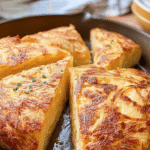
irish potato bread
- Total Time: 1 hour
- Yield: 8 pieces 1x
- Diet: Vegetarian
Description
🍞 Delight in the hearty and comforting taste of traditional Irish Potato Bread, perfect for any meal.
🥔 This versatile bread pairs wonderfully with a variety of dishes, making it a must-try for bread enthusiasts.
Ingredients
4 large potatoes
2 ½ ounces plain white flour
1 ounce butter
½ teaspoon salt
Olive oil
Instructions
1-First Step: Prepare and Cook Potatoes Peel and quarter 4 large potatoes. Boil them in salted water until tender, about 15-20 minutes. Drain and let potatoes cool slightly, then use a potato ricer or masher to create a smooth, lump-free mash. Using a ricer is recommended for the perfect texture.
2-Second Step: Mix Dough While the potatoes are warm, add 1 ounce softened butter and ½ teaspoon salt (if not using salted butter). Gradually incorporate 2 ½ ounces plain white flour, stirring gently to form a soft dough that is sticky but workable. Adjust flour quantity slightly if needed to get the right consistency.
3-Third Step: Knead and Shape Transfer the dough to a floured surface and knead gently until smooth, about 5-7 minutes. Divide the dough evenly into two balls. Roll each ball to approximately 1/3 inch thickness. Cut each rolled dough into four equal-sized farls (triangular or rectangular portions).
4-Fourth Step: Cook the Bread Heat a non-stick skillet or griddle over medium heat and add a mixture of olive oil and butter. Fry each potato bread farl for several minutes on each side until golden brown and cooked through. For authentic flavor, you can initially cook without extra fat, then re-fry in bacon fat if desired.
5-Final Step: Serve and Store Serve the irish potato bread warm as a side for breakfasts or main meals. Keep cooked bread warm in a low oven covered with foil to avoid drying. Store leftovers in airtight containers or freeze separated with parchment paper. Reheat gently in a pan or oven before serving.
Notes
🥄 Using a potato ricer ensures a smooth, lump-free dough.
🥣 If using leftover mashed potatoes, add more flour to achieve the right consistency.
🍳 Cook the bread thick for a soft interior, or slice and fry again for layered softness.
- Prep Time: 30 minutes
- -: –
- Cook Time: 30 minutes
- Category: Side Dish
- Method: Frying
- Cuisine: Irish
Nutrition
- Serving Size: 2 pieces
- Calories: 200
- Sugar: 1 g
- Sodium: –
- Fat: 3-4 g
- Saturated Fat: –
- Unsaturated Fat: –
- Trans Fat: –
- Carbohydrates: 40 g
- Fiber: 1-3 g
- Protein: 5 g
- Cholesterol: –
Keywords: Irish Potato Bread,potato farls,potato cakes,Irish flatbread