
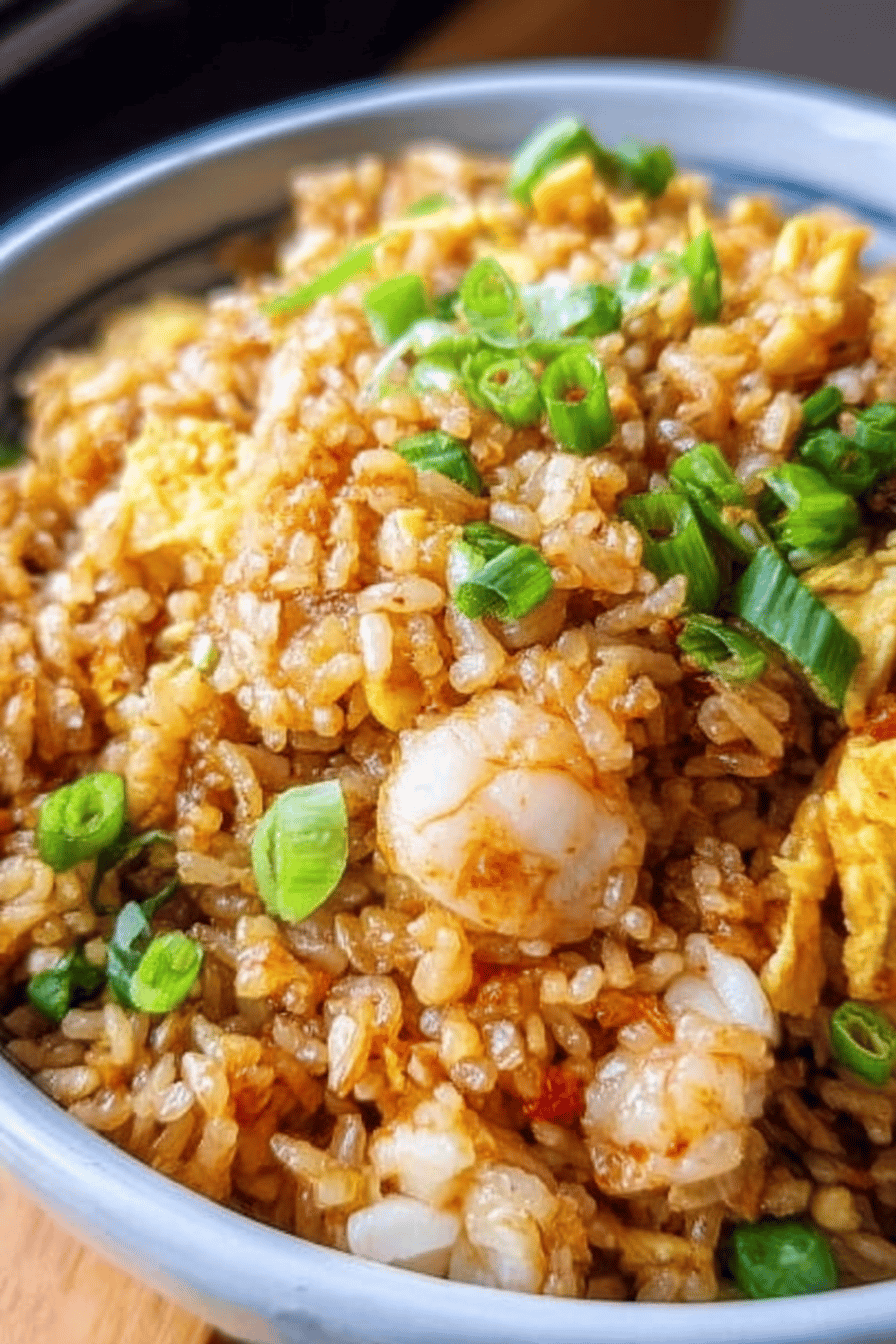
Why You’ll Love This Hibachi Fried Rice
Imagine whipping up a tasty meal that feels like a fun night out at a hibachi restaurant, but right in your own kitchen. Hibachi fried rice is that go-to dish for busy parents or students who want something quick without skimping on flavor. It’s packed with simple ingredients that come together fast, making it ideal for anyone from home cooks to food enthusiasts looking to add excitement to their dinner table.
This recipe shines because it’s versatile and fits all kinds of diets, whether you’re watching calories or keeping things gluten-free. Picture adding your favorite proteins like shrimp or chicken to make it a full meal that keeps everyone happy. Have you ever tried making fried rice and wondered how to get that perfect crispy bite? This version does just that, drawing from classic flavors that make every bite memorable.
One great thing about hibachi fried rice is how it supports a balanced diet with veggies and proteins, offering vitamins and energy without much fuss. As someone who’s been cooking these dishes for years, I love how it brings people together around the table. If you’re new to this, you’ll appreciate the ease while enjoying health perks like fiber from the rice and a boost from the eggs.
For more on how rice can fit into a healthy routine, check out health benefits of using rice in your diet. Keep reading to see how simple it is to make.
Key Benefits and Ease
This hibachi fried rice recipe is quick and simple to make, requiring minimal ingredients and straightforward steps that suit both beginners and experienced cooks. The fast cooking time means you can enjoy a delicious meal in under 30 minutes. Packed with nutritious vegetables and protein options, this hibachi fried rice offers a balanced meal rich in vitamins, minerals, and fiber.
It supports wellness with options to make it low-calorie or gluten-free, aligning with diverse dietary goals. Adaptable to various preferences, this recipe allows easy substitution of proteins and vegetables, making it suitable for vegan, vegetarian, gluten-free, and low-calorie diets without sacrificing taste. Combining traditional seasonings and sauces, this dish delivers an authentic hibachi flavor that stands out from regular fried rice, providing an enjoyable umami experience.
During family gatherings, I’ve seen how this recipe sparks smiles and keeps things light. What if you customized it with what’s in your fridge? That flexibility is what makes it so fun and practical for everyday life.
Essential Ingredients for Hibachi Fried Rice
- 3 cups cooked and cooled rice (preferably day-old)
- 1 tablespoon grapeseed oil (or avocado oil)
- 1 tablespoon butter
- 2 large eggs, lightly beaten
- 1/2 cup chopped onions (yellow or white)
- 2 teaspoons grated ginger
- 2 tablespoons low sodium soy sauce (or gluten-free tamari)
- 1 teaspoon toasted sesame oil
- 1 scallion, thinly sliced (for garnish)
These ingredients form the heart of hibachi fried rice, providing a base that’s both flavorful and flexible. Ever notice how day-old rice makes everything crispier? It’s a simple trick that keeps the dish from getting mushy. When I first tried this, I used whatever veggies I had on hand, and it turned out amazing.
Eggs add protein and that classic fried rice texture, while soy sauce brings in the umami. For those curious about egg nutrition, learn more at nutritional value of eggs to see why they’re a smart choice. Feel free to tweak based on what you have, like swapping oils for a healthier twist.
| Ingredient | Role in Recipe |
|---|---|
| 3 cups cooked and cooled rice | Forms the fluffy base that absorbs flavors |
| 1 tablespoon grapeseed oil | Provides high heat without burning |
| 2 large eggs | Adds protein and texture |
This table highlights just a few key items, but remember, every part matters for the full experience. Next, let’s dive into putting it all together.
How to Prepare the Perfect Hibachi Fried Rice: Step-by-Step Guide
Getting hibachi fried rice just right is all about timing and heat, and it’s easier than you think. Start by gathering everything so you’re not rushing around the kitchen. I recall the first time I made this for friends; it was a hit because the flavors popped so well. Have you ever watched a hibachi chef at work? They make it look effortless, and you can too with these steps.
First, prepare all ingredients by chopping vegetables and protein, beating eggs, and having cooked rice ready. Use day-old rice for the best texture. This helps prevent sogginess and ensures a nice crisp. Heat 1 tablespoon sesame oil in a large skillet or wok over medium-high heat, but in this version, we’ll use the summary’s method for authenticity.
Detailed Directions
Follow these steps closely for great results. Heat a large dutch oven, griddle, or wok over high heat until hot. Add the oil, allow it to heat through, quickly scramble the eggs into pieces, then remove and set aside. This keeps the eggs from overcooking and maintains their texture.
Add butter to the pan and let it melt. Add chopped onions and sauté for 3-4 minutes until softened but not browned. Stir in grated ginger and cook for 30 seconds to release its aroma. Then, add cooked rice and scrambled eggs back to the pan, stirring thoroughly.
Flatten the rice into a thin layer and let it sizzle undisturbed for 30 seconds. Stir and repeat, letting it sit another 30 seconds to heat evenly and crisp slightly. Drizzle soy sauce and toasted sesame oil over the rice, stirring to coat evenly. Remove from heat when heated through and popping, then garnish with sliced scallions and serve warm.
The recipe serves 4 to 5 people, with prep time at just 5 minutes and cook time at 10 minutes, totaling 15 minutes. For tips like using high heat or a wide pan, check out our shrimp scampi pasta guide for similar quick-cooking ideas. It’s a great way to pair proteins and keep meals exciting.

Dietary Substitutions to Customize Your Hibachi Fried Rice
Making hibachi fried rice your own is one of the best parts, especially if you have specific dietary needs. As a home cook, I’ve experimented with swaps like using tofu for a vegetarian twist, and it always turns out delicious. Ever thought about how one simple change can make a meal fit your lifestyle? Let’s break it down.
Protein and main component alternatives include replacing chicken or shrimp with tofu or tempeh for a vegan or vegetarian option. Use gluten-free tamari instead of soy sauce to accommodate gluten sensitivity. Swap rice with cauliflower rice for a low-carb, low-calorie alternative, which keeps the dish light yet satisfying.
- Substitute carrots and green onions with seasonal vegetables like bell peppers or snap peas for added crunch.
- Use coconut aminos for a soy-free sauce variation to avoid allergens.
- Add seasonings such as garlic powder, ginger, or chili flakes to tweak the heat and flavor.
These changes open up new possibilities, like making it kid-friendly or spicing it up for food enthusiasts. Remember, the key is balance, drawing from tips like cooking on high heat to keep everything fresh.
Mastering Hibachi Fried Rice: Advanced Tips and Variations
Once you’re comfortable with the basics, leveling up your hibachi fried rice can be a game-changer. I once added pineapple to mine during a summer barbecue, and it brought a sweet surprise that everyone loved. What variations have you tried in your kitchen adventures? Here are ways to make it even better.
Pro cooking techniques involve using high heat and a well-seasoned wok for that smoky flavor. Cook rice in small batches to avoid steaming and achieve crispiness. For flavor variations, experiment with adding pineapple for sweetness or kimchi for a spicy kick, incorporating proteins like beef or scallops.
Presentation and Storage Ideas
Presentation tips include serving in individual bowls garnished with sesame seeds, sliced green onions, and a wedge of lemon for brightness. Make-ahead options let you prepare rice and ingredients in advance, storing them separately for quick stir-frying later. This works well for busy professionals or families on the go.
If you’re looking for more rice-based dishes, visit our mushroom rice recipe for complementary ideas that enhance your meals.
How to Store Hibachi Fried Rice: Best Practices
Storing hibachi fried rice properly keeps it tasty for leftovers, which is perfect for meal prep. I’ve saved time by making a big batch and enjoying it over a few days. How do you handle meal planning in your routine? Let’s cover the essentials to maintain quality.
Refrigerate leftovers in an airtight container for up to 3 days, cooling them to room temperature first. Freeze portions in airtight containers or bags for up to 1 month, then thaw overnight in the fridge. Reheat in a skillet over medium heat with a splash of water or oil to keep it moist.
- Portion meals into containers for easy lunches.
- Avoid overcrowding to prevent sogginess when reheating.
- Add a bit of fresh garnish before serving again.
These steps ensure your fried rice stays fresh, drawing from simple habits that make cooking smoother.
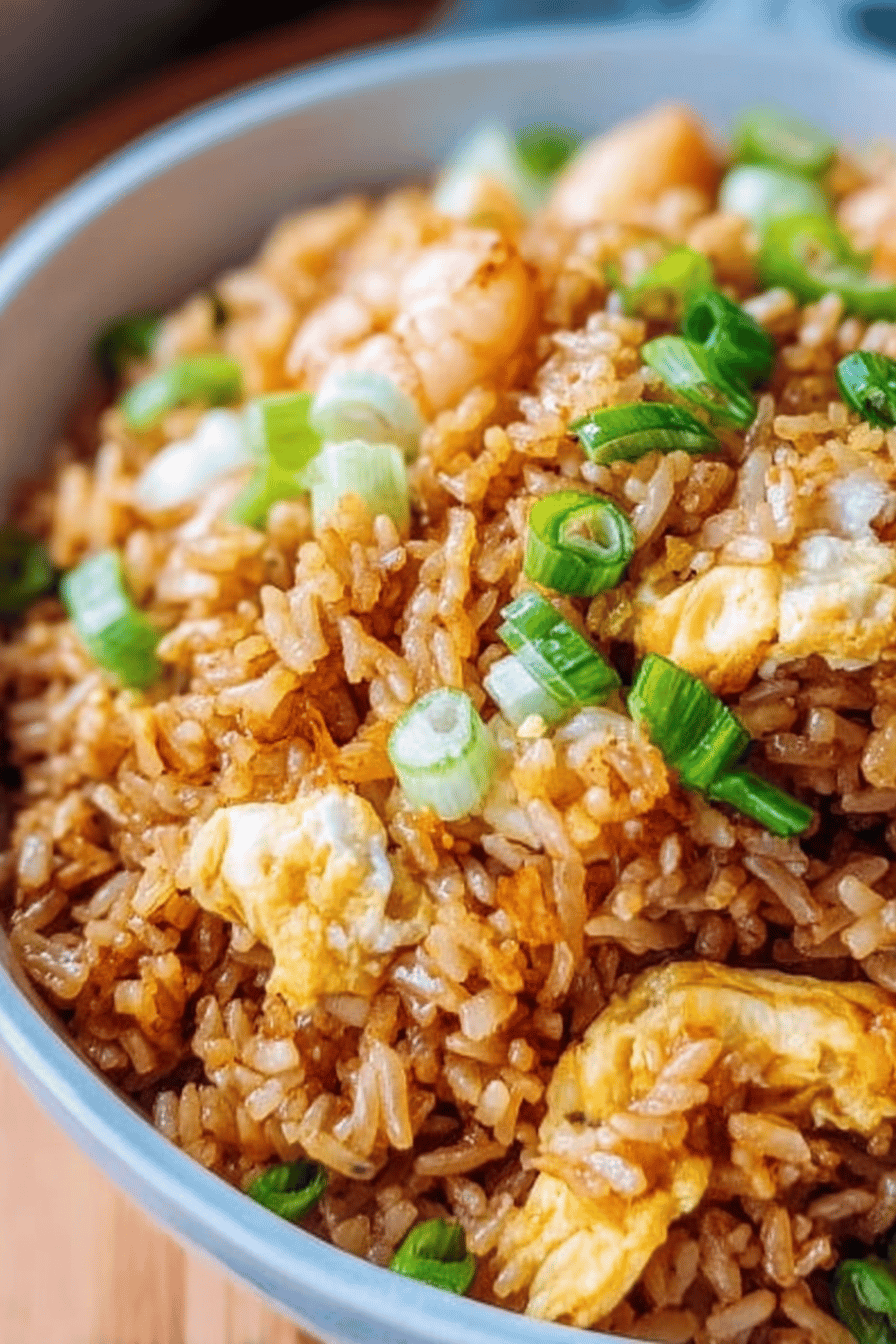
FAQs: Frequently Asked Questions About Hibachi Fried Rice
What makes hibachi fried rice different from regular fried rice?
Can I make hibachi fried rice without leftover rice?
What ingredients are essential for authentic hibachi fried rice flavor?
Is it possible to add protein to hibachi fried rice, and which options work best?
What are some tips to prevent hibachi fried rice from becoming soggy?
Hibachi Fried Rice
- Total Time: 15 minutes
- Yield: 4 to 5 servings 1x
Description
🍚 Hibachi Fried Rice Quick Homemade Recipe delivers vibrant, restaurant-style fried rice that’s easy to prepare at home, perfect for busy weeknights.
🔥 This flavorful dish combines aromatic ginger, toasted sesame oil, and savory soy sauce for an authentic taste loved by all ages.
Ingredients
3 cups cooked and cooled rice Forms the fluffy base that absorbs flavors
1 tablespoon grapeseed oil Provides high heat without burning
2 large eggs Adds protein and texture
1 tablespoon butter
1/2 cup chopped onions (yellow or white)
2 teaspoons grated ginger
2 tablespoons low sodium soy sauce (or gluten-free tamari)
1 teaspoon toasted sesame oil
1 scallion, thinly sliced (for garnish)
Instructions
1-First, prepare all ingredients by chopping vegetables and protein, beating eggs, and having cooked rice ready. Use day-old rice for the best texture. This helps prevent sogginess and ensures a nice crisp.
2-Heat a large dutch oven, griddle, or wok over high heat until hot. Add the oil, allow it to heat through, quickly scramble the eggs into pieces, then remove and set aside. This keeps the eggs from overcooking and maintains their texture.
3-Add butter to the pan and let it melt. Add chopped onions and sauté for 3-4 minutes until softened but not browned. Stir in grated ginger and cook for 30 seconds to release its aroma. Then, add cooked rice and scrambled eggs back to the pan, stirring thoroughly.
4-Flatten the rice into a thin layer and let it sizzle undisturbed for 30 seconds. Stir and repeat, letting it sit another 30 seconds to heat evenly and crisp slightly. Drizzle soy sauce and toasted sesame oil over the rice, stirring to coat evenly. Remove from heat when heated through and popping, then garnish with sliced scallions and serve warm.
Notes
🔥 Use day-old chilled rice for the best texture and less clumping.
🍳 Cook on high heat and use a large pan or griddle for even cooking and crispness.
🌿 Combine butter and a high smoke point oil for rich flavor and browning without burning.
- Prep Time: 5 minutes
- Cook Time: 10 minutes
- Category: Side Dish
- Method: Stir-fry
- Cuisine: Japanese
Nutrition
- Serving Size: 1 cup
Keywords: Hibachi,Fried Rice,Quick,Homemade