
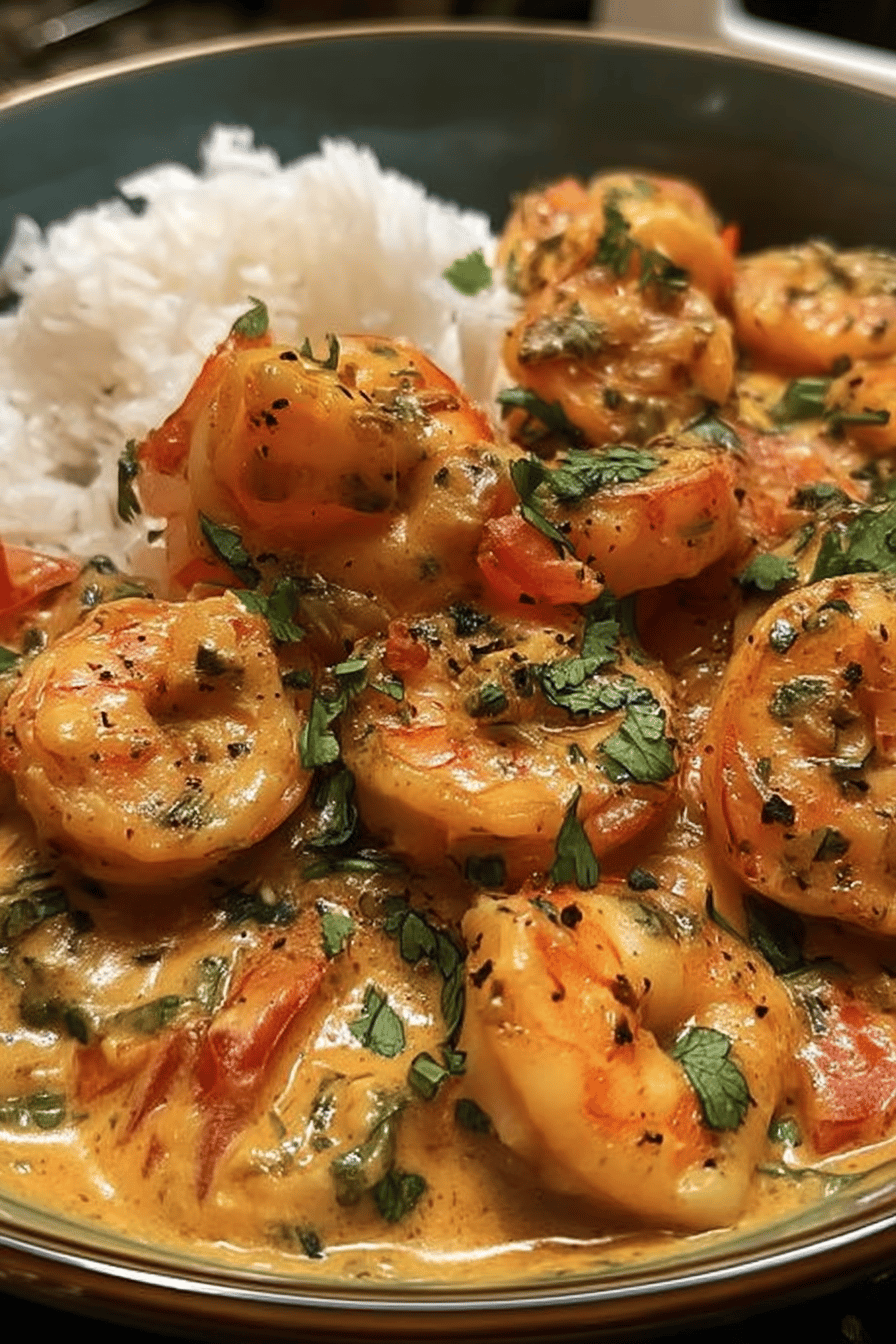
Why You’ll Love This Coconut Curry Shrimp
- Ease of preparation: This coconut curry shrimp recipe is quick and simple, ideal for busy weeknights or spontaneous dinners. With minimal ingredients and straightforward steps, you can have a flavorful, restaurant-style meal ready in under 30 minutes, making it perfect for anyone short on time but craving bold flavors.
- Health benefits: Packed with lean shrimp and nutrient-dense coconut milk, this dish supplies a balanced source of high-quality protein and healthy fats. The addition of ginger, garlic, and curry paste introduces antioxidants and anti-inflammatory properties, supporting digestion and overall wellness.
- Versatility: This coconut curry shrimp easily adapts to various dietary preferences, including keto, paleo, and gluten-free diets. It pairs excellently with jasmine, brown, or black rice, or cauliflower rice for a low-carb option. You can also incorporate a variety of vegetables to customize nutrition and texture.
- Distinctive flavor: The luscious creamy coconut milk blends perfectly with aromatic Thai red curry paste, fresh ginger, and garlic, balancing spicy, sweet, and savory notes. This fusion accentuates the shrimp’s natural sweetness and creates a vibrant, tropical taste experience that stands out.
Essential Ingredients for Coconut Curry Shrimp
- 2 tablespoons neutral oil (vegetable or canola) – for sautéing ingredients without overpowering flavors
- 1 pound (450g) large peeled and deveined shrimp (21/25 size) – lean protein with delicate, sweet flavor
- 2 cloves garlic, minced – adds aromatic pungency
- 2 slices fresh ginger – imparts warmth and subtle spice
- ½ to 1 can (4 ounces or 115g per can) Thai red curry paste – provides authentic bold curry flavor and heat, adjustable to preference
- 2 teaspoons brown sugar or palm sugar – balances heat with sweetness
- 1 medium onion, chopped or wedged – sweetness and texture
- ½ red bell pepper, thinly sliced – color, crunch, and mild sweetness
- 13.5 ounces (1 can) full-fat coconut milk – creates rich, creamy sauce
- Salt to taste – enhances all flavors
- Fresh cilantro (optional, for garnish) – bright herbal finish
- Optional vegetables – up to 1½ cups (broccoli, spinach, bell peppers) for added nutrition and variety
Special Dietary Options
- Vegan: Substitute shrimp with tofu or tempeh and use tamari instead of fish sauce or omitted if preferred.
- Gluten-free: Ensure the Thai red curry paste and other condiments are certified gluten-free for safe consumption.
- Low-calorie: Use light coconut milk and reduce oil quantity for a lighter version.
How to Prepare the Perfect Coconut Curry Shrimp: Step-by-Step Guide
First Step: Ingredient Prep
Gather and prepare all ingredients. Peel and devein the shrimp if not already done. Mince garlic, slice ginger, chop onion and red bell pepper, and prepare any optional vegetables. This mise en place ensures a smooth and efficient cooking process.
Second Step: Sear the Shrimp
Heat 1 tablespoon of oil in a wok or large skillet over medium-high heat. Add shrimp and sear for 30 seconds per side until about 75% cooked and opaque. Avoid overcooking which can toughen the shrimp. Remove shrimp and set aside.
Third Step: Build the Flavor Base
Add remaining tablespoon of oil to the pan. Quickly sauté minced garlic and ginger for 30 seconds until fragrant. Increase heat to medium-high and stir in red curry paste, frying for about 1 minute to release aromatic oils and develop flavor depth.
Fourth Step: Cook the Vegetables
Add brown sugar, then the chopped onion and red bell pepper, along with any optional vegetables like broccoli or spinach. Stir-fry for 2 minutes until vegetables begin to soften but retain some crunch.
Fifth Step: Add Coconut Milk and Simmer
Pour in the coconut milk, stirring to combine. Bring the sauce gently to a simmer on medium-high, taking care not to boil vigorously to prevent curdling. Simmer for about 2 minutes to thicken sauce and further tenderize vegetables.
Sixth Step: Finish Cooking the Shrimp
Return the shrimp along with any juices to the pan. Simmer for an additional minute until shrimp are fully cooked through. Taste and season with salt accordingly.
Final Step: Serve and Garnish
Remove from heat. Garnish with fresh cilantro if desired. Serve hot with jasmine, brown, or black rice to soak up the flavorful curry, or cauliflower rice for a low-carb option. Pair with steamed or stir-fried vegetables for a complete meal.
Tip: To prevent watery fillings when adding spinach, wilt and squeeze out excess moisture before incorporating.

Dietary Substitutions to Customize Your Coconut Curry Shrimp
Protein and Main Component Alternatives
- Substitute shrimp with firm tofu or tempeh for vegan and vegetarian options that absorb curry flavors well.
- Use chicken breast or scallops for non-vegetarian alternatives offering different textures.
Vegetable, Sauce, and Seasoning Modifications
- Add vegetables like snap peas, carrots, or zucchini for additional crunch and nutrition.
- Swap Thai red curry paste with yellow or green curry paste for varied heat and flavor profiles.
- Replace fish sauce with coconut aminos or tamari for soy-free and vegetarian-friendly seasoning.
Mastering Coconut Curry Shrimp: Advanced Tips and Variations
- Pro cooking techniques: Toast dry spices prior to cooking to enhance aromatic layers. Marinate shrimp briefly in lime juice and garlic for added zest and tenderness.
- Flavor variations: Incorporate pineapple chunks or mango slices for a sweet contrast, or chipotle peppers for smoky heat.
- Presentation tips: Serve in shallow bowls with a sprinkle of fresh chopped herbs such as cilantro and lime wedges on the side for brightness.
- Make-ahead options: Prepare curry sauce in advance and refrigerate. Add shrimp fresh at serving time to keep texture perfect.
How to Store Coconut Curry Shrimp: Best Practices
| Storage Method | Guidelines | Duration |
|---|---|---|
| Refrigeration | Store coconut curry shrimp in an airtight container in the refrigerator to preserve flavors and freshness. | Up to 3 days |
| Freezing | Freeze in sealable containers for up to 2 months. Thaw overnight in refrigerator before reheating. | Up to 2 months |
| Reheating | Gently reheat on stovetop or microwave, stirring occasionally to maintain creamy texture and prevent separation. | Until heated through |
| Meal Prep | Portion into single servings for easy reheating and maintaining quality during batch cooking. | Varies |
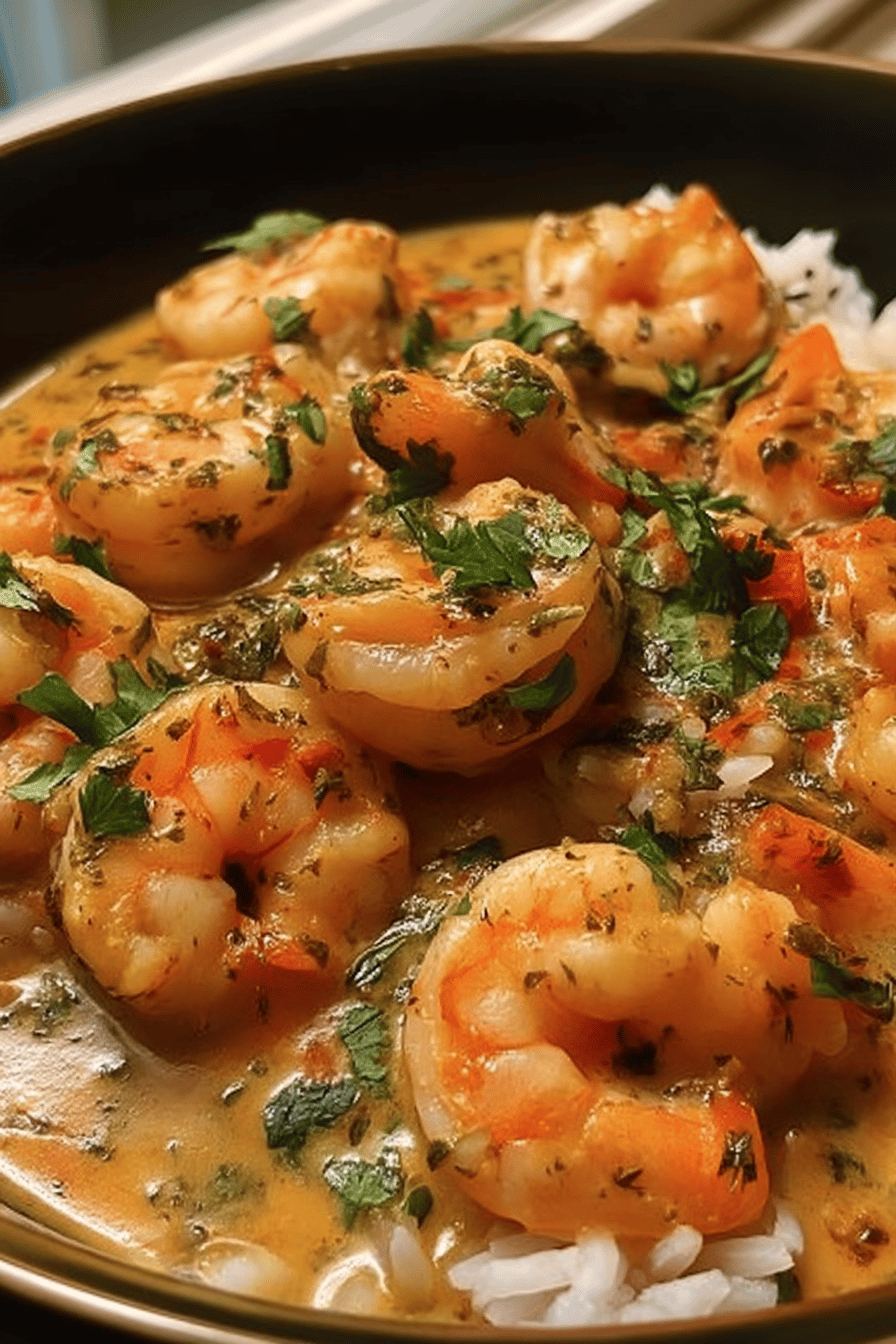
FAQs: Frequently Asked Questions About Coconut Curry Shrimp
How do I thaw frozen shrimp quickly for coconut curry shrimp?
What is the best way to avoid overcooking shrimp in coconut curry?
Can I make coconut curry shrimp milder if I don’t like spicy food?
What vegetables work well in coconut curry shrimp?
How do I devein shrimp if they aren’t pre-cleaned?
Coconut Curry Shrimp
- Total Time: 30 minutes
- Yield: 4 servings
- Diet: Gluten-Free
Description
🍤 Dive into this creamy coconut curry that perfectly balances tender shrimp with vibrant spices.
🥥 Quick and easy, it’s perfect for a busy weeknight offering delightful Thai-inspired flavors.
Ingredients
– 2 tablespoons neutral oil for sautéing
– 1 pound large peeled and deveined shrimp
– 2 cloves garlic
– 2 slices fresh ginger
– ½ to 1 can Thai red curry paste
– 2 teaspoons brown sugar
– 1 medium onion
– ½ red bell pepper
– 13.5 ounces full-fat coconut milk
– Salt to taste
– Fresh cilantro
– Optional vegetables
Instructions
1-First Step: Ingredient Prep Gather and prepare all ingredients. Peel and devein the shrimp if not already done. Mince garlic, slice ginger, chop onion and red bell pepper, and prepare any optional vegetables. This mise en place ensures a smooth and efficient cooking process.
2-Second Step: Sear the Shrimp Heat 1 tablespoon of oil in a wok or large skillet over medium-high heat. Add shrimp and sear for 30 seconds per side until about 75% cooked and opaque. Avoid overcooking which can toughen the shrimp. Remove shrimp and set aside.
3-Third Step: Build the Flavor Base Add remaining tablespoon of oil to the pan. Quickly sauté minced garlic and ginger for 30 seconds until fragrant. Increase heat to medium-high and stir in red curry paste, frying for about 1 minute to release aromatic oils and develop flavor depth.
4-Fourth Step: Cook the Vegetables Add brown sugar, then the chopped onion and red bell pepper, along with any optional vegetables like broccoli or spinach. Stir-fry for 2 minutes until vegetables begin to soften but retain some crunch.
5-Fifth Step: Add Coconut Milk and Simmer Pour in the coconut milk, stirring to combine. Bring the sauce gently to a simmer on medium-high, taking care not to boil vigorously to prevent curdling. Simmer for about 2 minutes to thicken sauce and further tenderize vegetables.
6-Sixth Step: Finish Cooking the Shrimp Return the shrimp along with any juices to the pan. Simmer for an additional minute until shrimp are fully cooked through. Taste and season with salt accordingly.
7-Final Step: Serve and Garnish Remove from heat. Garnish with fresh cilantro if desired. Serve hot with jasmine, brown, or black rice to soak up the flavorful curry, or cauliflower rice for a low-carb option. Pair with steamed or stir-fried vegetables for a complete meal.
Notes
🦐 Use peeled and deveined shrimp for easier preparation and better texture.
🌶️ Adjust spice by varying the amount of curry paste. Use less paste and add salt for milder taste.
❄️ Preserve leftover curry paste by freezing for future cooking preparations.
- Prep Time: 15 minutes
- Cook Time: 15 minutes
- Category: Main Course
- Method: Stir-frying
- Cuisine: Thai
Nutrition
- Serving Size: 1 portion
- Calories: 405
- Sugar: 6g
- Sodium: 151mg
- Fat: 30g
- Saturated Fat: 20g
- Unsaturated Fat: varies
- Trans Fat: 0g
- Carbohydrates: 11g
- Fiber: 2g
- Protein: 26g
- Cholesterol: varies
Keywords: Coconut Curry Shrimp, Eggplant Stir Fry, Spinach Dinner, Flavor-Packed Shrimp