
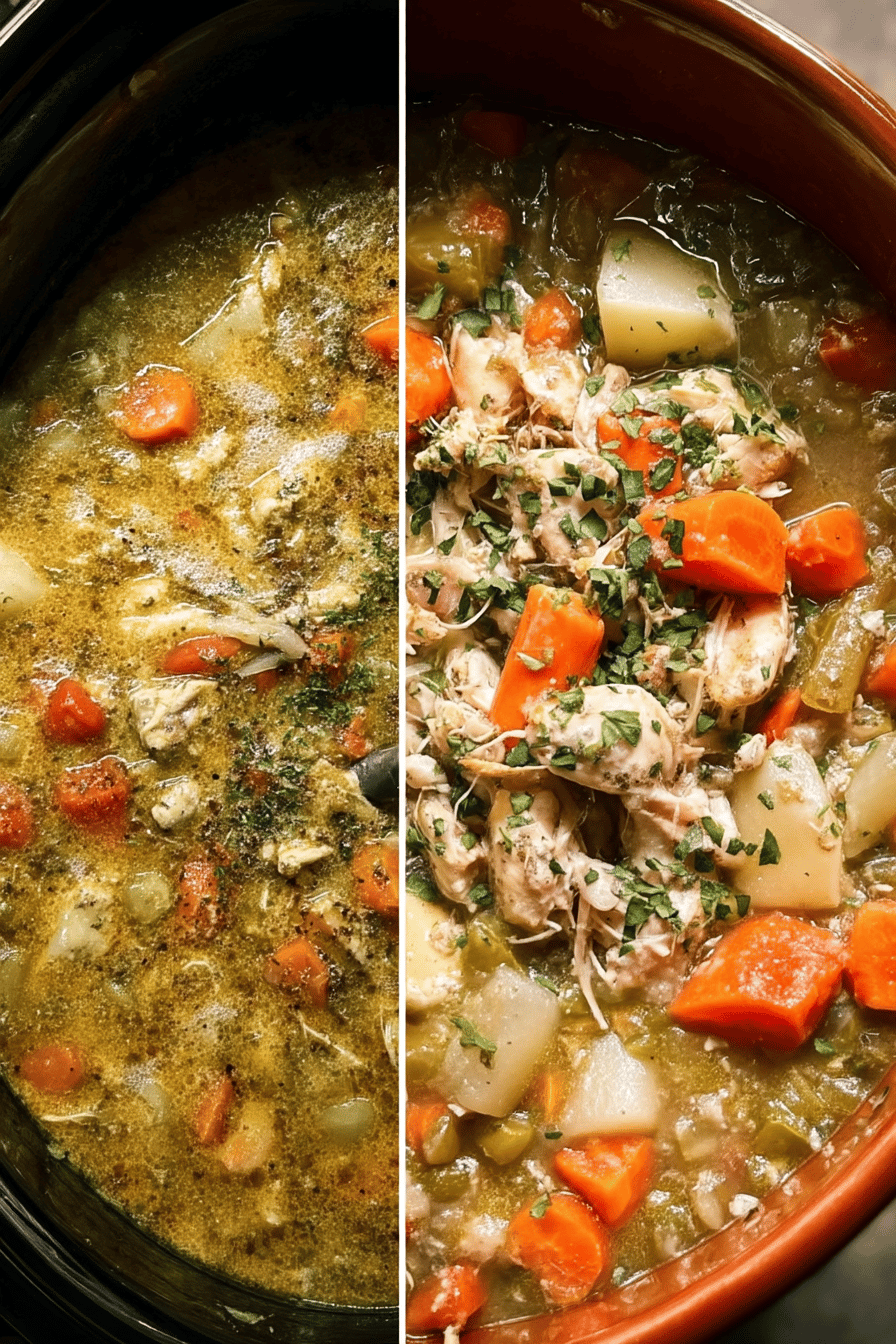
Why You’ll Love This Chicken Stew Recipe
This chicken stew recipe is a comforting, all-in-one meal that’s perfect for chilly evenings, and it’s become my go-to for its blend of simplicity and satisfaction. Let me share why it’s such a winner for families and busy cooks alike, with benefits that make it stand out in the crowd of easy dinners.
- Ease of preparation: This chicken stew comes together in just about 40 minutes, making it ideal for those hectic days when you need a quick meal. With straightforward steps like chopping veggies and simmering on the stove, it’s simple enough for beginners while saving time without sacrificing flavor. This approach to chicken stew keeps things hassle-free, allowing you to enjoy homemade goodness effortlessly.
- Health benefits: Loaded with lean protein from chicken and veggies like carrots and potatoes, this chicken stew supports muscle health and provides essential vitamins such as Vitamin A and C for immune boosting. It’s a hearty dish that aids digestion with its fiber-rich ingredients, making it a nutritious choice for wellness-focused individuals. Plus, the low-fat broth version helps control calories, aligning with balanced stew recipes for everyday eating.
- Versatility: Adapt this chicken stew to fit various dietary needs, like going gluten-free with alternative thickeners or vegan by swapping the chicken for beans. It’s great for kids’ meals or adult gatherings, and you can tweak it for different seasons by changing up the herbs. What makes chicken stew so flexible is how it transitions from a quick lunch to a slow-cooked dinner, suiting everyone’s preferences.
- Distinctive flavor: The rich broth, infused with herbs and spices, gives this chicken stew its signature depth, with a savory mix that dances on your tongue. Aromatics like garlic and onions build layers, while optional additions like bay leaves add an earthy twist that sets it apart. It’s that comforting yet bold taste of chicken stew that keeps you warm and satisfied, making it unforgettable compared to standard meals.
In essence, this chicken stew recipe balances ease, nutrition, and taste, proving it’s more than just a simple dish it’s a reliable favorite for any occasion.
Essential Ingredients for Chicken Stew
Gathering the right ingredients is the first step to a delicious chicken stew, and I’ve listings here with precise measurements and why each one counts. This helps you build that flavorful base quickly and effectively.
Main Ingredients
- 1.5 pounds boneless chicken thighs, cut into chunks – Offers tender, juicy protein that’s flavorful and cooks quickly for the perfect chicken stew texture.
- 1 onion, finely chopped – Adds sweetness and depth as it caramelizes, forming the aromatic foundation of chicken stew.
- 2 garlic cloves, minced – Brings a pungent aroma that enhances the overall taste, making the stew more robust.
- 2 carrots, sliced into rounds – Provides natural sweetness and beta-carotene, adding color and nutrition to your chicken stew.
- 2 celery stalks, diced – Contributes crunch and a slight bitterness that balances the richness in chicken stew.
- 3 potatoes, diced (about 1 pound) – Creates heartiness and absorbs flavors, turning the stew into a satisfying meal.
- 4 cups chicken broth (low-sodium preferred) – Serves as the liquid base for simmering, keeping the stew light yet flavorful.
- 1 can (14.5 oz) diced tomatoes – Adds acidity and moisture, enriching the sauce of chicken stew with vitamins.
- 1 teaspoon dried thyme – Infuses herbal notes that complement the meat and veggies in chicken stew.
- 1 bay leaf – Releases subtle flavors during cooking, elevating the stew’s aroma without overpowering.
- Salt and pepper to taste – Seasons everything evenly, ensuring your chicken stew hits the right flavor notes.
- 2 tablespoons olive oil – Used for sautéing to prevent sticking and add a touch of healthy fat.
Special Dietary Options
- Vegan: Replace chicken with chickpeas or lentils for plant-based protein, maintaining the hearty feel of chicken stew while boosting fiber.
- Gluten-free: This recipe is naturally gluten-free, but use certified gluten-free broth to avoid any cross-contamination in your chicken stew.
- Low-calorie: Opt for skinless chicken breasts and reduce oil to one tablespoon, helping to lighten up the chicken stew without losing its essence.
How to Prepare the Perfect Chicken Stew: Step-by-Step Guide
This chicken stew recipe is designed for ease and flavor, taking about 45 minutes total, with 15 minutes prep and 30 minutes cooking. I’ll guide you through each step, including how to adapt for different dietary preferences, so you end up with a warm, comforting dish every time.
First Step: Gather and Prep Your Ingredients
Begin by assembling all ingredients this should take around 10-15 minutes for efficient prep. Chop the onion, garlic, carrots, celery, and potatoes into even pieces, and cut the chicken into bite-sized chunks. Season the chicken lightly with salt and pepper. For dietary tweaks, if you’re making a vegan version, swap the chicken for chickpeas here to ensure everything is ready. This mise en place sets you up for a smooth cooking process, especially if you’re new to stew recipes.
Second Step: Sauté the Aromatics
Heat 2 tablespoons of olive oil in a large pot over medium heat for about 2 minutes until it shimmers. Add the chopped onion, garlic, carrots, and celery, stirring frequently for 5 minutes until they soften and release their aroma. This step builds the flavor base, and for low-calorie adaptations, you can use a non-stick pan with less oil to cut back on fats while keeping the chicken stew light and tasty.
Third Step: Add and Brown the Protein
Once the veggies are ready, add the chicken chunks to the pot and cook for 5-7 minutes, stirring occasionally until the chicken is browned on all sides. Aim for a medium heat to avoid burning, which helps lock in juices and flavors. If adapting for gluten-free needs, ensure your broth is ready for the next step. This browning process is key for a richer chicken stew, and for vegan options, sear your chickpeas here to mimic that texture.
Fourth Step: Simmer the Stew
Pour in 4 cups of chicken broth, the diced tomatoes, 1 teaspoon dried thyme, and 1 bay leaf, then bring the mixture to a boil over high heat for about 5 minutes. Reduce to low heat and simmer uncovered for 20-25 minutes, or until the potatoes and chicken are tender stir occasionally to prevent sticking. For extra adaptability, add more veggies if you’re focusing on low-calorie modifications, ensuring your chicken stew remains versatile and nutrient-packed throughout the cooking time.
Fifth Step: Adjust and Serve
After simmering, taste the stew and adjust seasoning with salt and pepper as needed, then remove the bay leaf for safety. Let it sit for 5 minutes to thicken slightly before serving hot, garnished with fresh herbs if desired. This chicken stew pairs well with crusty bread, and for various preferences, you could blend in some beans for added protein in vegan versions. Total cooking at a gentle simmer ensures flavors meld perfectly, making this a go-to for cozy meals.
With these steps, your chicken stew will be flavorful and foolproof, incorporating the focus keyphrase naturally to guide you through each phase.

Dietary Substitutions to Customize Your Chicken Stew
Protein and Main Component Alternatives
Customizing the protein in chicken stew lets you adapt to what’s on hand or your dietary goals. Swap chicken for turkey or lean beef if you want a different meat option, which works well for those watching protein intake. For vegetarians, tofu or seitan can Especially for vegan diets replace the meat entirely, keeping the stew hearty and fulfilling while maintaining ease of preparation.
Vegetable, Sauce, and Seasoning Modifications
Switch up vegetables based on the season, like using sweet potatoes instead of regular ones for a nutrient boost, or add spinach for extra greens in warmer months. For sauces, opt for coconut milk over broth to create a creamier base, and adjust seasonings with herbs like rosemary if you’re aiming for a milder flavor profile. These changes ensure your chicken stew stays fresh and adaptable, perfect for various restrictions without compromising on taste.
Mastering Chicken Stew: Advanced Tips and Variations
Elevate your chicken stew with these expert tricks and creative spins that take it from good to outstanding, all while keeping things subtly woven into the recipe’s core.
Pro Cooking Techniques
Use a pressure cooker to cut simmer time in half, locking in moisture for tender results that make chicken stew even more efficient for busy nights.
Flavor Variations
Experiment with spices like cumin for a smoky twist or add white wine to the broth for depth, turning your chicken stew into a personalized favorite.
Presentation Tips
Serve in deep bowls with a sprinkle of fresh parsley, and pair with grains for a visually appealing meal that impresses at the table.
Make-Ahead Options
Prep ingredients the night before or freeze batches for quick meals, making chicken stew a lifesaver for those with packed schedules.
How to Store Chicken Stew: Best Practices
Proper storage keeps your chicken stew fresh and ready, with simple methods for short and long term.
Refrigeration
Store in an airtight container for up to 3-4 days, which helps preserve the flavors of chicken stew without losing quality.
Freezing
Freeze portions in freezer-safe bags for up to 3 months, ensuring you can enjoy chicken stew later with minimal prep.
Reheating
Warm on the stove over low heat for 5-10 minutes, stirring to maintain texture and safety in your chicken stew batches.
Meal Prep Considerations
Divide into meal-sized containers for easy grab-and-go, making chicken stew ideal for weekly planning and storage efficiency.
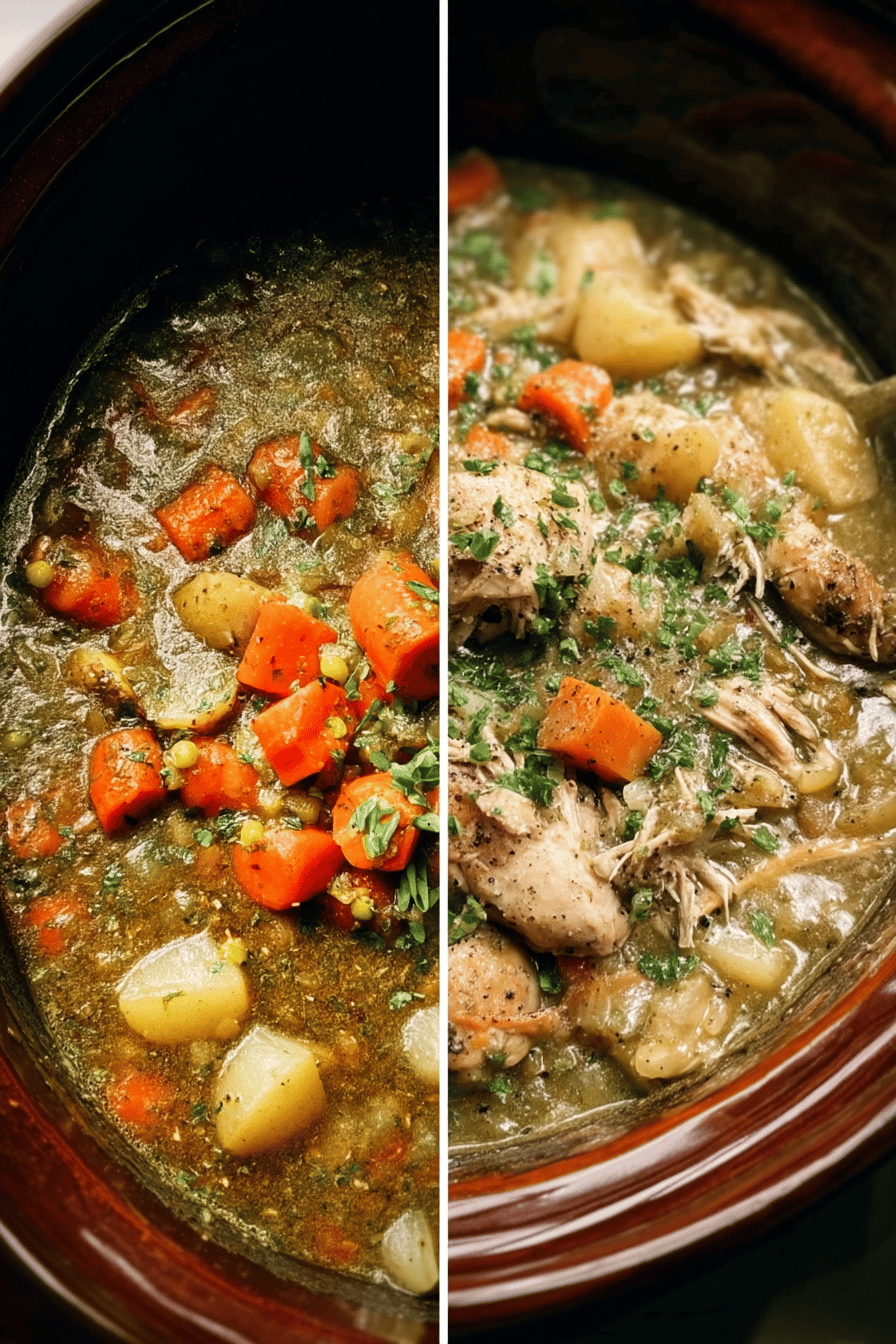
FAQs: Frequently Asked Questions About Chicken Stew
What cut of chicken is best for making chicken stew?
How can I thicken my chicken stew without lumps?
Can I freeze chicken stew, and what’s the best way to do it?
What role does heavy cream play in chicken stew?
Is it possible to make chicken stew in a slow cooker?
Chicken Stew
- Total Time: 55 minutes
- Yield: 6 servings
- Diet: Gluten-Free
Description
🍲 Enjoy a warm, hearty meal with this Chicken Stew, perfect for cozy family dinners.
🍲 Packed with vegetables and a savory broth, it’s both comforting and nutritious.
Ingredients
– 1.5 pounds boneless chicken thighs
– 1 onion
– 2 garlic cloves
– 2 carrots
– 2 celery stalks
– 3 potatoes
– 4 cups chicken broth
– 1 can (14.5 oz) diced tomatoes
– 1 teaspoon dried thyme
– 1 bay leaf
– Salt and pepper
– 2 tablespoons olive oil
Instructions
First Step: Gather and Prep Your Ingredients Begin by assembling all ingredients this should take around 10-15 minutes for efficient prep. Chop the onion, garlic, carrots, celery, and potatoes into even pieces, and cut the chicken into bite-sized chunks. Season the chicken lightly with salt and pepper. For dietary tweaks, if you’re making a vegan version, swap the chicken for chickpeas here to ensure everything is ready. This mise en place sets you up for a smooth cooking process, especially if you’re new to stew recipes.
Second Step: Sauté the Aromatics Heat 2 tablespoons of olive oil in a large pot over medium heat for about 2 minutes until it shimmers. Add the chopped onion, garlic, carrots, and celery, stirring frequently for 5 minutes until they soften and release their aroma. This step builds the flavor base, and for low-calorie adaptations, you can use a non-stick pan with less oil to cut back on fats while keeping the chicken stew light and tasty.
Third Step: Add and Brown the Protein Once the veggies are ready, add the chicken chunks to the pot and cook for 5-7 minutes, stirring occasionally until the chicken is browned on all sides. Aim for a medium heat to avoid burning, which helps lock in juices and flavors. If adapting for gluten-free needs, ensure your broth is ready for the next step. This browning process is key for a richer chicken stew, and for vegan options, sear your chickpeas here to mimic that texture.
Fourth Step: Simmer the Stew Pour in 4 cups of chicken broth, the diced tomatoes, 1 teaspoon dried thyme, and 1 bay leaf, then bring the mixture to a boil over high heat for about 5 minutes. Reduce to low heat and simmer uncovered for 20-25 minutes, or until the potatoes and chicken are tender stir occasionally to prevent sticking. For extra adaptability, add more veggies if you’re focusing on low-calorie modifications, ensuring your chicken stew remains versatile and nutrient-packed throughout the cooking time.
Fifth Step: Adjust and Serve After simmering, taste the stew and adjust seasoning with salt and pepper as needed, then remove the bay leaf for safety. Let it sit for 5 minutes to thicken slightly before serving hot, garnished with fresh herbs if desired. This chicken stew pairs well with crusty bread, and for various preferences, you could blend in some beans for added protein in vegan versions. Total cooking at a gentle simmer ensures flavors meld perfectly, making this a go-to for cozy meals.
Notes
🔥 Use chicken thighs as they hold up better during simmering and add juiciness; chicken breasts can be used but should be added later to avoid overcooking.
🥔 Root vegetables like carrots, potatoes, and sweet potatoes add hearty texture; feel free to add extras like Brussels sprouts.
🍞 Serve with warm crusty bread for dipping, and consider faster variations using boneless thighs for quicker cooking.
- Prep Time: 15 minutes
- None: 0 minutes
- Cook Time: 40 minutes
- Category: Main Course
- Method: Stovetop
- Cuisine: American
Nutrition
- Serving Size: 1 serving
- Calories: 611
- Sugar: 6g
- Sodium: 403mg
- Fat: 39g
- Saturated Fat: 12g
- Carbohydrates: 30g
- Fiber: 4g
- Protein: 32g
- Cholesterol: 179mg
Keywords: Chicken, Stew, Hearty, Family Dinners