
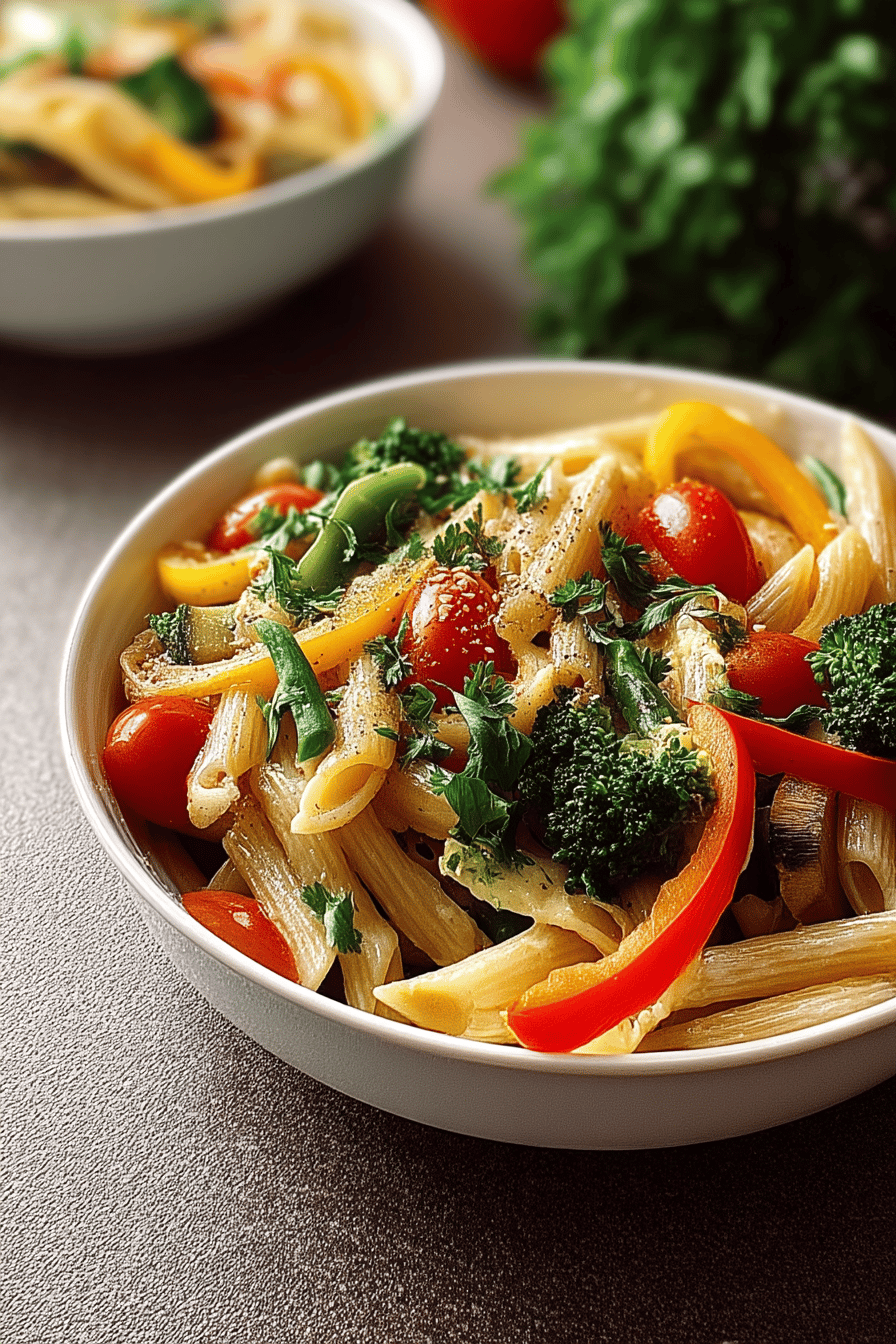
Why You’ll Love This Pasta Primavera
If you’re after a meal that feels like a garden in a bowl, this Pasta Primavera recipe is my favorite for its simple charm and fresh vibes it’s inspired by those laid-back evenings when I’d pull together whatever veggies were on hand, turning dinner into a quick celebration. Whether you’re cooking for a family or just yourself, it’s that easy mix of pasta and seasonal picks that makes it a go-to, and I’m excited to share why it’s perfect for everyday kitchens. Let’s dive into what sets this Primavera apart for home cooks and food enthusiasts.
- Ease of preparation: This Pasta Primavera recipe comes together in about 30 minutes total, with just 10 minutes of prep and straightforward sautéing, making it ideal for busy parents or students needing a fast meal without the stress. You’ll chop veggies, boil pasta, and toss everything in one pan, keeping the steps simple and cleanup light it’s a breeze for weeknight dinners. As a Primavera option, its quick cooking time lets you enjoy fresh flavors fast, perfect for anyone craving homemade without hours of effort.
- Health benefits: Savoring this Pasta Primavera packs in nutrients like vitamin C from asparagus and tomatoes at 77mg per serving, boosting immunity and skin health, along with fiber for digestion and protein for energy. At around 874 calories per serving, it’s loaded with potassium and iron, making it a nutrient-rich Primavera dish that’s light on the stomach. With veggies like zucchini and peas adding vitamins, it’s great for diet-conscious folks, turning a simple pasta meal into a wellness win for the whole family.
- Versatility: This Pasta Primavera adapts to various diets, whether swapping for vegan ingredients or using gluten-free pasta, so it’s perfect for households with different needs like travelers or seniors. You can tweak veggies based on what’s in season or preferences, like adding beans for more protein, making it a flexible Primavera staple for lunches or dinners. Its adaptability shines, letting you customize for baking enthusiasts or anyone mixing it up in the kitchen.
- Distinctive flavor: What makes this Pasta Primavera stand out is the bright blend of sautéed veggies, fresh herbs, and lemon, creating a light sauce that highlights natural tastes without any heaviness think garlic, basil, and a pinch of red pepper for that zesty edge. The parmesan and peas add a nutty balance, turning everyday pasta into a flavorful Primavera delight that’s anything but plain. From my own kitchen stories, it’s the fresh, seasonal twist that makes this dish a memorable favorite for gatherings.
All in all, this Pasta Primavera is about quick, healthy eats that bring joy to the table, and it’s sure to become a regular in your routine.
Essential Ingredients for Pasta Primavera
Pulling together the ingredients for this Pasta Primavera is all about fresh simplicity I’ve got them listed straight from the details, with exact measurements to make shopping and prepping a snap. Each one plays a role in creating that light, veggie-packed meal, so let’s keep it clear and organized for your kitchen adventure.
Main Ingredients
- 300g penne pasta – This hearty pasta base holds the vegetables and sauce well, providing a satisfying foundation for the Primavera dish.
- 2 tablespoons olive oil, plus more for drizzling – Olive oil sauté’s the veggies, adding healthy fats and a light flavor that keeps the dish fresh.
- 2 garlic cloves, finely minced – Garlic adds aromatic depth, enhancing the overall taste without overpowering the Primavera mix.
- 1 red onion, chopped – Red onion brings a mild sharpness and color, contributing to the vibrant and layered flavors.
- 1 yellow squash, sliced – Yellow squash offers crunch and nutrients, making the Primavera feel light and seasonal.
- 1 zucchini (about 1/2 large), sliced into rounds – Zucchini adds moisture and texture, boosting the vegetable-packed appeal.
- 1 bunch asparagus (woody ends removed), stems sliced diagonally, tips reserved – Asparagus provides a crisp element and vitamins, with tips saved for a fresh finish.
- 10 cherry tomatoes, halved – Cherry tomatoes bring juiciness and sweetness, adding a burst of flavor to the Primavera.
- 1 cup green peas (use fresh or defrosted if frozen) – Green peas add sweetness and protein, rounding out the dish’s nutrition.
- 1/2 cup finely grated parmesan cheese (or pecorino cheese) – Parmesan melts in for creaminess, offering a nutty taste that’s optional for variations.
- Juice of 1 fresh lemon – Lemon juice brightens the flavors, adding zing and balancing the Primavera’s freshness.
- 1/4 teaspoon red pepper flakes – Red pepper flakes bring a subtle heat, giving the dish its lively kick.
- 1/2 cup fresh basil leaves, finely sliced – Basil infuses herbaceous notes, making the Primavera feel alive and aromatic.
- 1 tablespoon fresh tarragon (optional) – Tarragon adds an extra herbal layer if used, enhancing the dish’s complexity.
- 1 teaspoon salt (or to taste) – Salt seasons everything perfectly, helping the flavors of the Primavera pop.
- 1/4 teaspoon black pepper – Black pepper adds a final spice touch, tying the ingredients together seamlessly.
- 5 tablespoons unsalted butter (for a cream sauce variation, if desired) – Butter can create a richer sauce, though the recipe stays light without it.
- 1 cup heavy cream (for a cream sauce variation, if desired) – Heavy cream adds creaminess for an optional twist, but it’s not needed for the base.
- 1/3 cup reserved pasta cooking water (for sauce consistency) – Pasta water helps emulsify and thicken the sauce naturally.
Special Dietary Options
- Vegan: Swap parmesan cheese for a plant-bloodbased alternative and skip butter or heavy cream to keep the Primavera fresh and compassionate.
- Gluten-free: Use gluten-free pasta instead of penne, ensuring the Primavera remains light and accessible for all.
- Low-calorie: Reduce oil and cheese amounts, or opt for light versions, to lighten the Primavera while maintaining its veggie focus.
How to Prepare the Perfect Pasta Primavera: Step-by-Step Guide
Nothing beats the freshness of this Pasta Primavera recipe on a busy day it’s a light, veggie-packed dish that reminds me of quick family suppers where we’d toss in seasonal finds for a colorful meal. The total time is about 30 minutes, with 10 minutes prep and 20 minutes cooking at medium heat, so it’s perfect for whipping up after work. I’ll walk you through each step with tips for vegan or gluten-free swaps, making it easy to adapt and keep that Primavera spirit alive. Let’s dive in and create a dish that’s as fun to make as it is to eat!
First Step: Prep and Cook the Pasta
Start with your mise en place by gathering all ingredients and bringing a large pot of salted water to a boil this takes about 5-10 minutes to get rolling. Cook 300g of penne pasta until just al dente, following package instructions minus one minute, which is roughly 8-10 minutes, then drain and set aside. Remember to reserve 1/3 cup of the pasta cooking water to help with the sauce later. For gluten-free adaptations, use your favorite gluten-free pasta here, keeping the Primavera light and accessible from the get-go this step ensures your base is ready without any fuss.
Second Step: Sauté the Vegetables
Heat 2 tablespoons of olive oil in a large deep skillet over medium heat until it’s shimmering, which takes about 1 minute. Add 2 finely minced garlic cloves, 1 chopped red onion, 1 sliced yellow squash, 1 sliced zucchini, the stems of 1 bunch asparagus (reserving the tips for later), and 10 halved cherry tomatoes, along with 1 teaspoon salt and 1/4 teaspoon black pepper. Sauté for 3-5 minutes until the veggies are tender-crisp, stirring occasionally for even cooking. For low-calorie tweaks, use less oil or add extra veggies like mushrooms to bulk it up, adapting the Primavera to fit your preferences while keeping it flavorful and nutritious.
Third Step: Combine and Add Final Touches
Add the drained pasta to the skillet with the sautéed veggies, then stir in 1 cup green peas, the reserved asparagus tips, juice of 1 fresh lemon, 1/4 teaspoon red pepper flakes, and 1/2 cup finely grated parmesan cheese. Toss everything together over the heat for 1-2 minutes until the cheese melts and coats the pasta, using the reserved pasta water if needed to adjust consistency. If you’re going vegan, skip the cheese or use a plant-based swap here to maintain that light Primavera feel. For added herbs 1/2 cup fresh basil leaves and 1 tablespoon fresh tarragon if using, mix them in now to brighten the flavors and create a well-rounded dish.
Fourth Step: Finalize and Serve
Once mixed, remove from heat and give it a quick taste test, adjusting seasonings if needed this step takes just a minute and pulls it all together. The Primavera is ready when the veggies are vibrant and the pasta is coated nicely, offering a fresh, satisfying meal. If you’re making a creamier variation, melt 5 tablespoons unsalted butter in a separate pan, add 1 cup heavy cream and the parmesan, then incorporate it gently to keep it light. For more inspiration, check out our garlic butter chicken with rigatoni and parmesan for a hearty twist on pasta nights.
Finally, garnish with extra basil leaves for a pop of color and serve right away this Pasta Primavera is all about enjoying those garden-fresh tastes with your loved ones, tailored to how you like it!

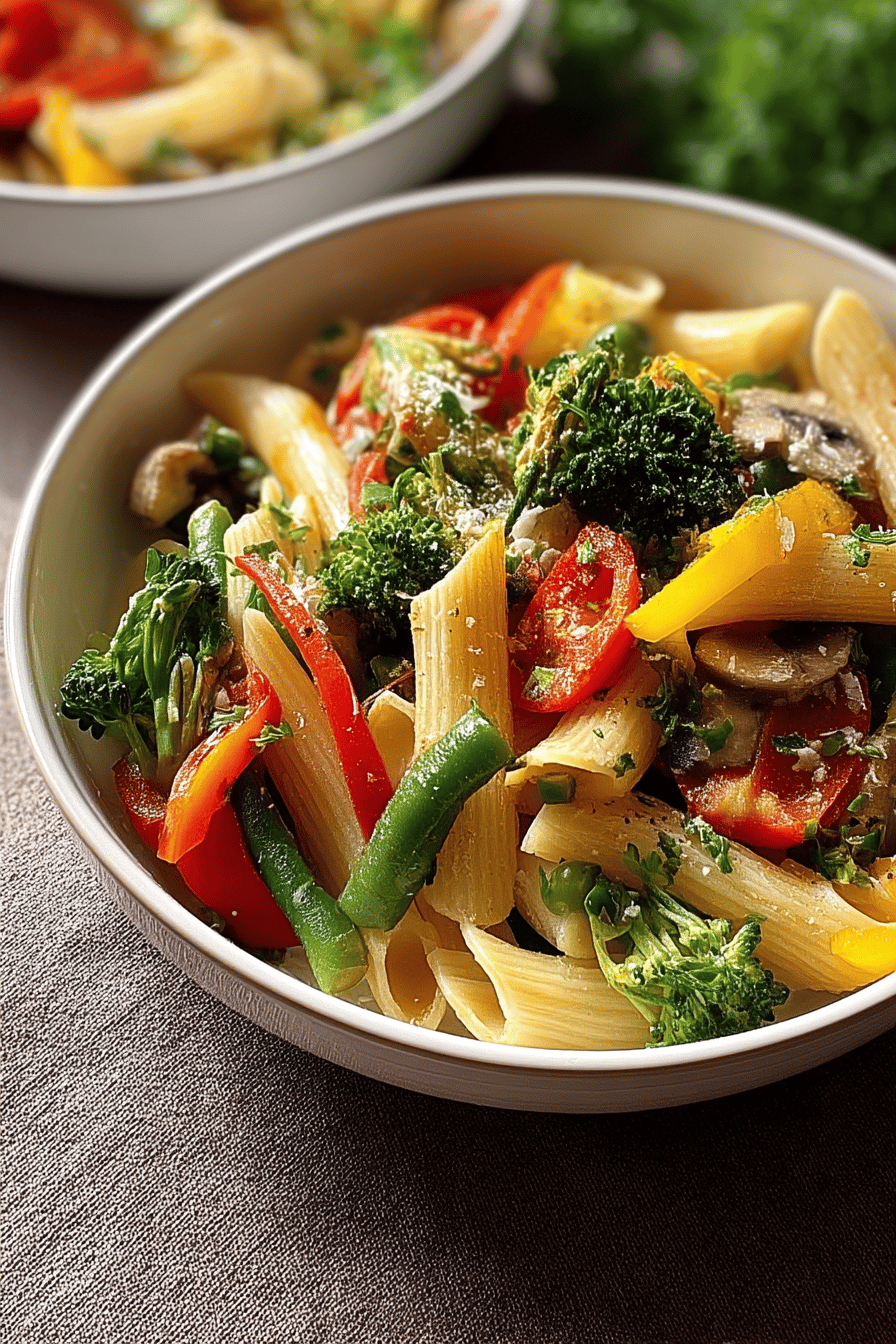
Dietary Substitutions to Customize Your Pasta Primavera
One of the best parts of this Pasta Primavera is how it adapts to whatever’s in your fridge or what your family’s dietary preferences are it’s like a blank canvas for creativity, drawn from my own kitchen experiments with seasonal swaps. Let’s keep it straightforward and explore ways to make it your own, ensuring it’s as versatile as it is delicious.
Protein and Main Component Alternatives
For adding protein, swap in beans or chickpeas to make it heartier for vegetarians, or use grilled chicken strips if you’re looking for a filling boost in the Primavera. If protein sources are limited, tofu or seitan can step in smoothly, adapting the dish to different needs while keeping it light and satisfying. These changes ensure the Primavera remains a go-to option for balanced meals.
Vegetable, Sauce, and Seasoning Modifications
Switch up veggies based on seasons, like using broccoli or green beans instead of asparagus for a fresh take, which keeps the Primavera packed with nutrients. For sauces, lighten with lemon juice or herbs if you’re watching calories, and experiment with seasonings like extra red pepper for a kick these tweaks make the dish flexible for any palate or occasion.
Mastering Pasta Primavera: Advanced Tips and Variations
Once you’ve got a handle on this Pasta Primavera, you’ll see how a few tweaks can turn it into something even more special it’s like building on those family recipes I treasure, where small changes brought big smiles. Let’s look at some pro ways to level up your dish for better results and fun flavors.
Pro Cooking Techniques
Sauté veggies in batches for even cooking, ensuring that perfect tender-crisp texture in your Pasta Primavera. For variations, reserve pasta water to blend the sauce smoothly, enhancing the dish without added fuss.
Flavor Variations
Try mixing in fresh herbs or spices, like tarragon for an herbal note, to give the Primavera a new twist each time. These additions keep the recipe lively and adaptable for seasonal tastes.
Presentation Tips
Serve it in a large bowl with lemon wedges for a fresh look, making the Pasta Primavera the star of the meal with simple garnishes.
Make-Ahead Options
Prep the veggies ahead and store them chilled, so the Primavera comes together quickly on busy days. This approach makes it ideal for meal prep, saving time and flavor for effortless dinners.
How to Store Pasta Primavera: Best Practices
Keeping your Pasta Primavera fresh means handling leftovers wisely, so those vibrant flavors stay intact for another day. Here’s how to store it simply, based on tips that work in my everyday cooking routine.
| Storage Method | Guidelines | Tips |
|---|---|---|
| Refrigeration | Store in an airtight container for up to 3 days. | Keeps veggies crisp; reheat gently for Primavera freshness. |
| Freezing | Freeze portions for up to 2 months. | Thaw in the fridge to maintain the dish’s light texture. |
| Reheating | Warm on the stove with a splash of water. | Restores flavors for enjoying your Primavera meal again. |
These steps make storage of Pasta Primavera straightforward and effective.
FAQs: Frequently Asked Questions About Pasta Primavera
What vegetables are best for making Pasta Primavera?
Can I make a lighter version of the cream sauce in Pasta Primavera?
What type of pasta works best with Pasta Primavera?
How can I prevent the vegetables from becoming soggy when cooking Pasta Primavera?
Is it possible to freeze leftover Pasta Primavera with cream sauce?
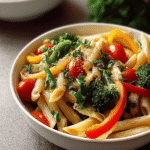
Pasta Primavera
- Total Time: 30 minutes
- Yield: 4 servings 1x
- Diet: Vegetarian
Description
🌿 Pasta Primavera offers a fresh burst of flavors from vibrant vegetables, perfect for a light and healthy meal.
🍅 Enjoy a delightful combination of pasta and seasonal produce, making it a colorful and appetizing dish.
Ingredients
300g penne pasta
2 tablespoons olive oil
2 garlic cloves, finely minced
1 red onion, chopped
1 yellow squash, sliced
1 zucchini, sliced into rounds
1 bunch asparagus
10 cherry tomatoes, halved
1 cup green peas
1/2 cup finely grated parmesan cheese
Juice of 1 fresh lemon
1/4 teaspoon red pepper flakes
1/2 cup fresh basil leaves, finely sliced
1 tablespoon fresh tarragon
1 teaspoon salt
1/4 teaspoon black pepper
5 tablespoons unsalted butter
1 cup heavy cream
1/3 cup reserved pasta cooking water
Instructions
First Step: Prep and Cook the Pasta Start with your mise en place by gathering all ingredients and bringing a large pot of salted water to a boil this takes about 5-10 minutes to get rolling. Cook 300g of penne pasta until just al dente, following package instructions minus one minute, which is roughly 8-10 minutes, then drain and set aside. Remember to reserve 1/3 cup of the pasta cooking water to help with the sauce later. For gluten-free adaptations, use your favorite gluten-free pasta here, keeping the Primavera light and accessible from the get-go this step ensures your base is ready without any fuss.
Second Step: Sauté the Vegetables Heat 2 tablespoons of olive oil in a large deep skillet over medium heat until it’s shimmering, which takes about 1 minute. Add 2 finely minced garlic cloves, 1 chopped red onion, 1 sliced yellow squash, 1 sliced zucchini, the stems of 1 bunch asparagus (reserving the tips for later), and 10 halved cherry tomatoes, along with 1 teaspoon salt and 1/4 teaspoon black pepper. Sauté for 3-5 minutes until the veggies are tender-crisp, stirring occasionally for even cooking. For low-calorie tweaks, use less oil or add extra veggies like mushrooms to bulk it up, adapting the Primavera to fit your preferences while keeping it flavorful and nutritious.
Third Step: Combine and Add Final Touches Add the drained pasta to the skillet with the sautéed veggies, then stir in 1 cup green peas, the reserved asparagus tips, juice of 1 fresh lemon, 1/4 teaspoon red pepper flakes, and 1/2 cup finely grated parmesan cheese. Toss everything together over the heat for 1-2 minutes until the cheese melts and coats the pasta, using the reserved pasta water if needed to adjust consistency. If you’re going vegan, skip the cheese or use a plant-based swap here to maintain that light Primavera feel. For added herbs 1/2 cup fresh basil leaves and 1 tablespoon fresh tarragon if using, mix them in now to brighten the flavors and create a well-rounded dish.
Fourth Step: Finalize and Serve Once mixed, remove from heat and give it a quick taste test, adjusting seasonings if needed this step takes just a minute and pulls it all together. The Primavera is ready when the veggies are vibrant and the pasta is coated nicely, offering a fresh, satisfying meal. If you’re making a creamier variation, melt 5 tablespoons unsalted butter in a separate pan, add 1 cup heavy cream and the parmesan, then incorporate it gently to keep it light. For more inspiration, check out our garlic butter chicken with rigatoni and parmesan for a hearty twist on pasta nights. Finally, garnish with extra basil leaves for a pop of color and serve right away this Pasta Primavera is all about enjoying those garden-fresh tastes with your loved ones, tailored to how you like it!
Notes
🍝 Cook pasta al dente to ensure perfect texture when combined with vegetables.
🍽️ Use a single pan for sautéing all vegetables for simplicity and easy cleanup.
💦 Utilize reserved pasta water to thicken and emulsify the sauce effectively.
- Prep Time: 10 minutes
- Total Time: 30 minutes
- Cook Time: 20 minutes
- Category: Main Course
- Method: Sautéing
- Cuisine: American
Nutrition
- Serving Size: 1 serving
- Calories: 874
- Sugar: 11 g
- Sodium: 825 mg
- Fat: 56 g
- Saturated Fat: 27 g
- Unsaturated Fat: 24 g
- Trans Fat: 1 g
- Carbohydrates: 74 g
- Fiber: 7 g
- Protein: 23 g
- Cholesterol: 116 mg
Keywords: Pasta Primavera, Easy Vegetable Recipe, Spring Vegetables, Light Pasta Dish